vd Brink Home Automations

Home automations with Home Assistant, ESPHome, Node-RED and more tech

ESPHome DIY sensors - Best Buy Tips

Introduction

If you want to create your own sensors with ESPHome you need an ESP development board where you can load the software to read the sensors and send this data over the network to your home server.

If you’re afraid to solder some pins or connect the ESP to the sensor, look for some tutorials and give it a try. You can also look for ESPs and sensors with already pins, then with dupont cables you don’t need to soldering at all.

Here you find some useful links where you can buy ESPs, sensors and other tooling which can be useful for making your own DIY sensors.

I have a page where I added manuals to create your own sensors.


Table of Contents


NOTE 1: Most links on this page are hardware I also bought myself. Most of the links are affiliate links, You pay the normal price and also support my blog by buying it from here.


ESP board

The brains of your own sensor. It contains the processor to run the program on, and with the WiFi module on it which can make contact with your own network.

ESP8266 vs ESP32

The two most used ESP families are the ESP8266 and the ESP32. Both are supported by ESPHome.

  ESP8266 ESP32
Processor Single-core, 80/160 MHz Dual-core up to 240 MHz (the C3 is single-core)
Memory About 80 KB RAM About 520 KB RAM (the C3 has 400 KB)
Connectivity WiFi WiFi and Bluetooth
Price Cheapest A bit more expensive


Go for the ESP8266 if you build a simple sensor with one or two sensors, like a temperature sensor or a CO2 sensor. It is cheap and fast enough.

Go for the ESP32 if:

  • You need Bluetooth, for example to use it as a Bluetooth proxy for Home Assistant.
  • You want to connect more sensors, a display or other devices, and need more pins.
  • You have a bigger or more complex configuration, which needs more memory and speed.
  • You want a newer board with USB-C. New ESPHome features are mostly built for the ESP32.

If you’re not sure, choose an ESP32. The small price difference gives you more room to grow.
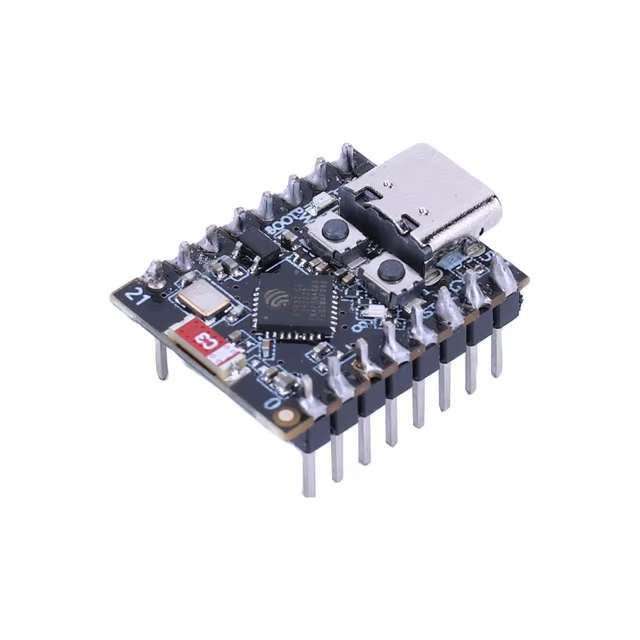
ESP32-C3 supermini
ESP32ESP32-C3 supermini

A really tiny ESP32 with bluetooth.

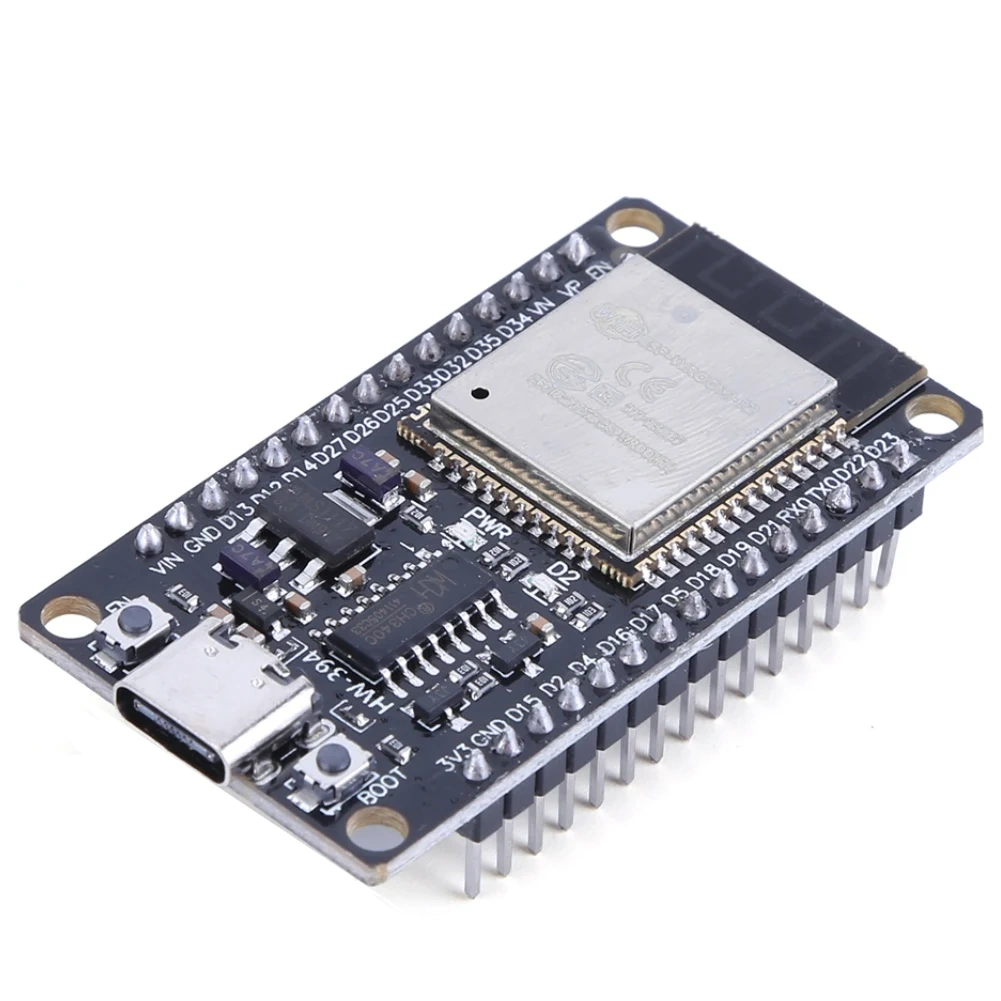
ESP-32S WROOM
ESP32ESP-32S WROOM

The newer and faster ESP32 board has a dual-core processor, bluetooth, usb-c and already soldered pins.

ESP8266 NodeMCU v3
ESP8266ESP8266 NodeMCU v3

The original ESP developer board (or comparable) and in most cases fast enough to handle the sensor data.

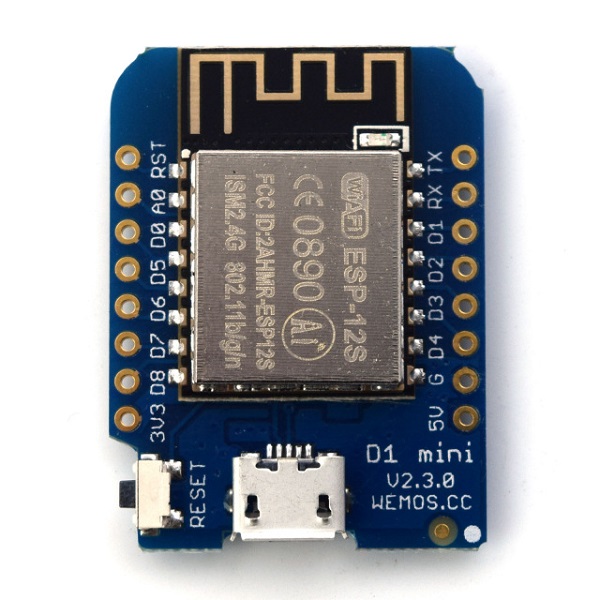
ESP D1 mini
ESP8266ESP D1 mini

This ESP D1 mini is also an ESP8266 variant (don't use the pro or V3). You can use any ESP chip, but I like this one because of its small size. The pins are not soldered on the board yet (with some practice even you can do it for sure!).


Sensors

Sensors are the digital senses. They can measure all different kinds of units, like temperature, humidity, light intensity, pressure, etc.

Here are some ready-to-use sensors that can be connected direct to an ESP without a challenging circuit with resistors and capacitors, etc.
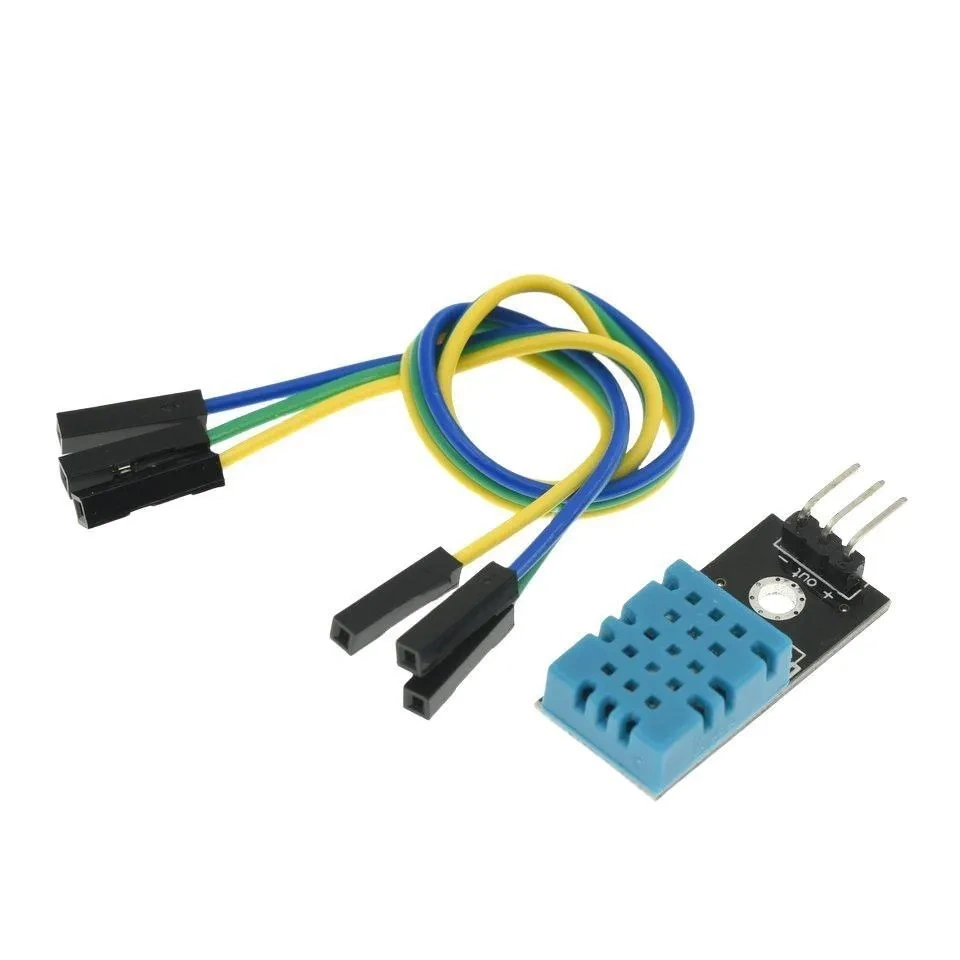
DHT11
Temperature and humidity sensorDHT11

Dht11 is a commonly used temperature and humidity sensor.

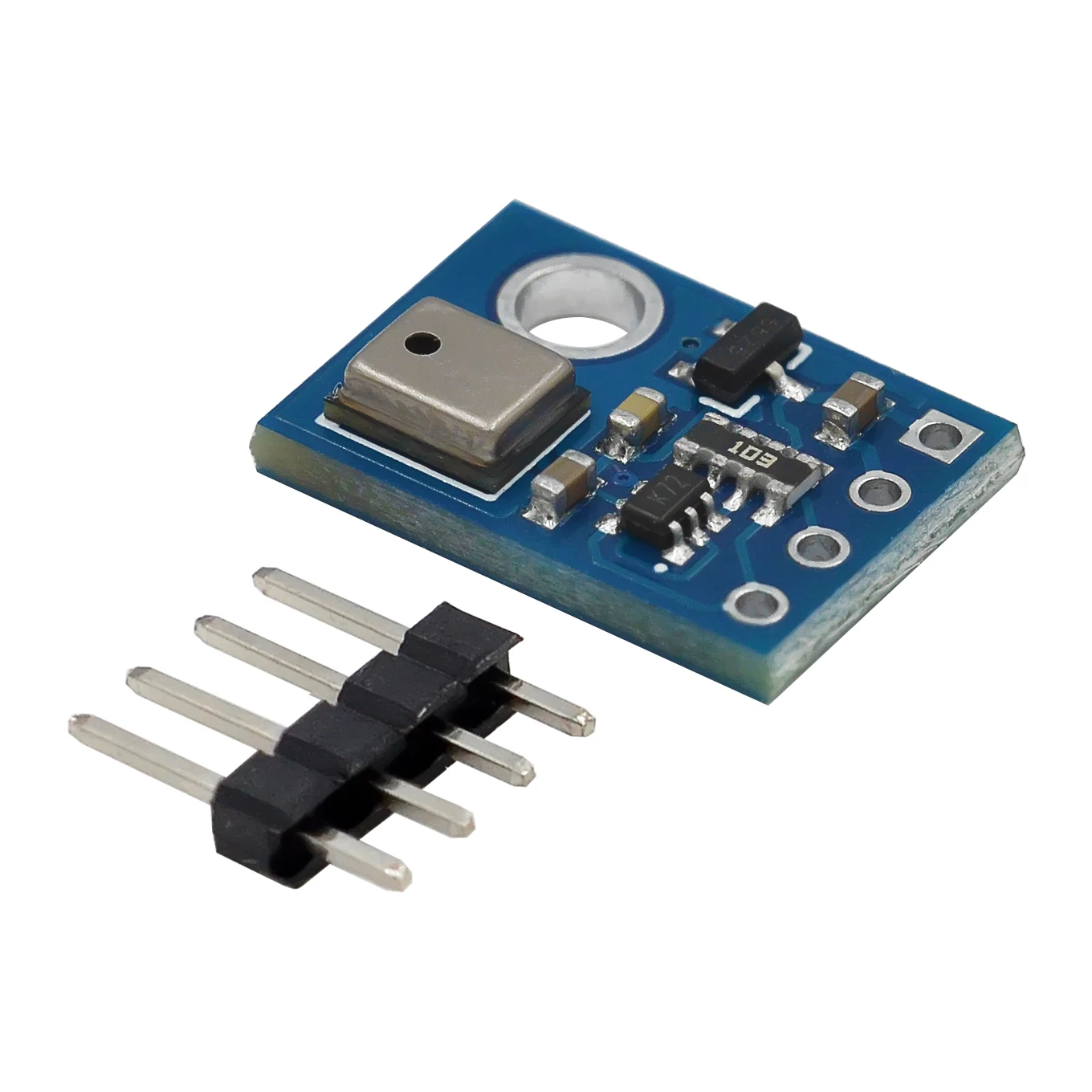
AGS10
Air quality sensorAGS10

AGS10 TVOC air quality gas sensor.

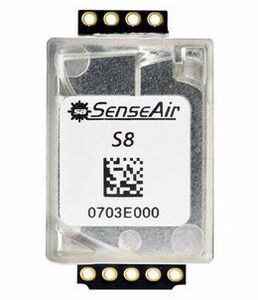
SenseAir S8 CO2 sensor
CO2 sensorSenseAir S8 CO2 sensor

A basic CO2 sensor (CO2 is measured in parts per million, ppm) which can be used to make your own CO2 sensor. Check this page how to create this.
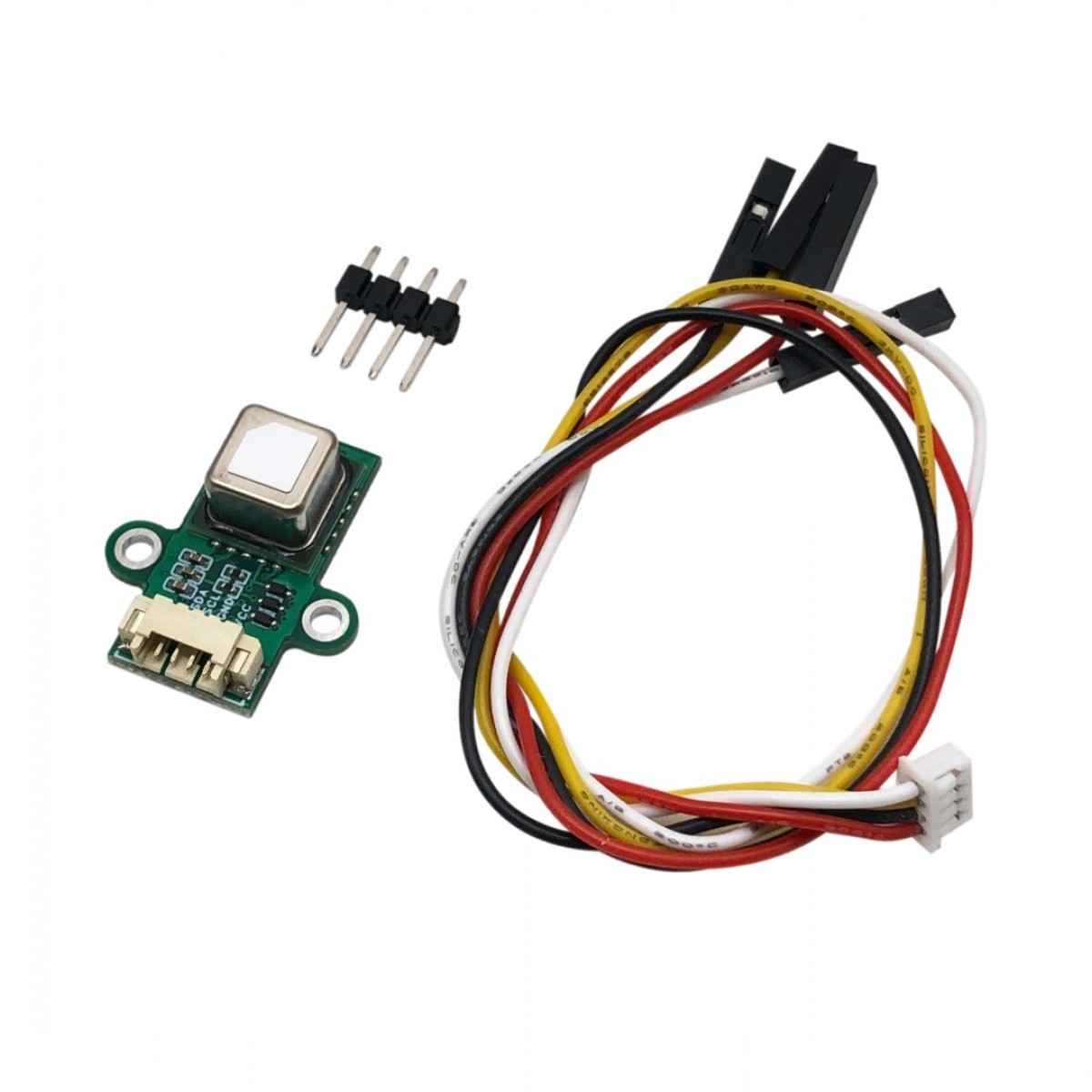
SCD41 without soldering
CO2 sensor - SCD41SCD41 without soldering

SCD40 or SCD41 are compact CO2, humidity and temperature sensors. The 41 has some higher accuracy and can measure higher ppm values (2000 vs 5000). Comes with an I2C cable, so no soldering is required. Check this page how to make your own CO2 sensor.
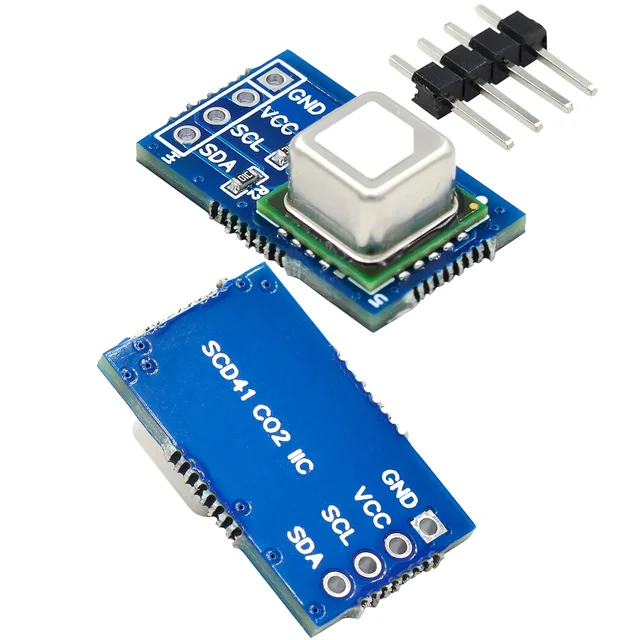
SCD41 with soldering
CO2 sensor - SCD41SCD41 with soldering

The same sensor, but it requires soldering.

Pressure sensor - largest version
Pressure sensorPressure sensor - largest version

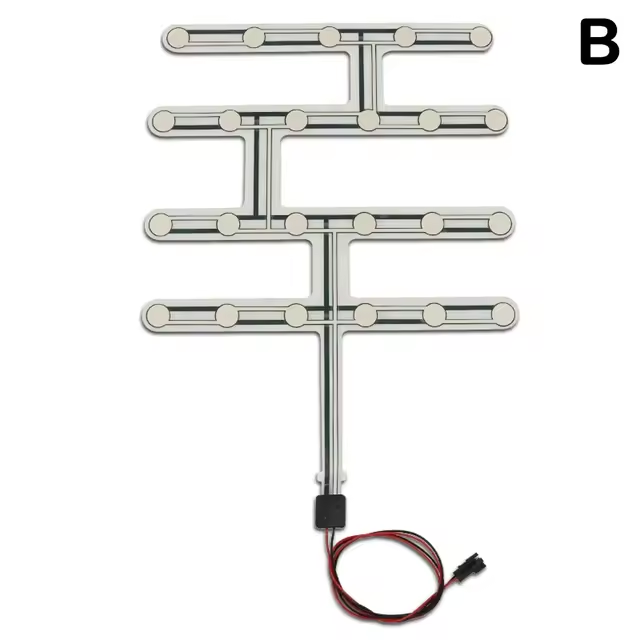
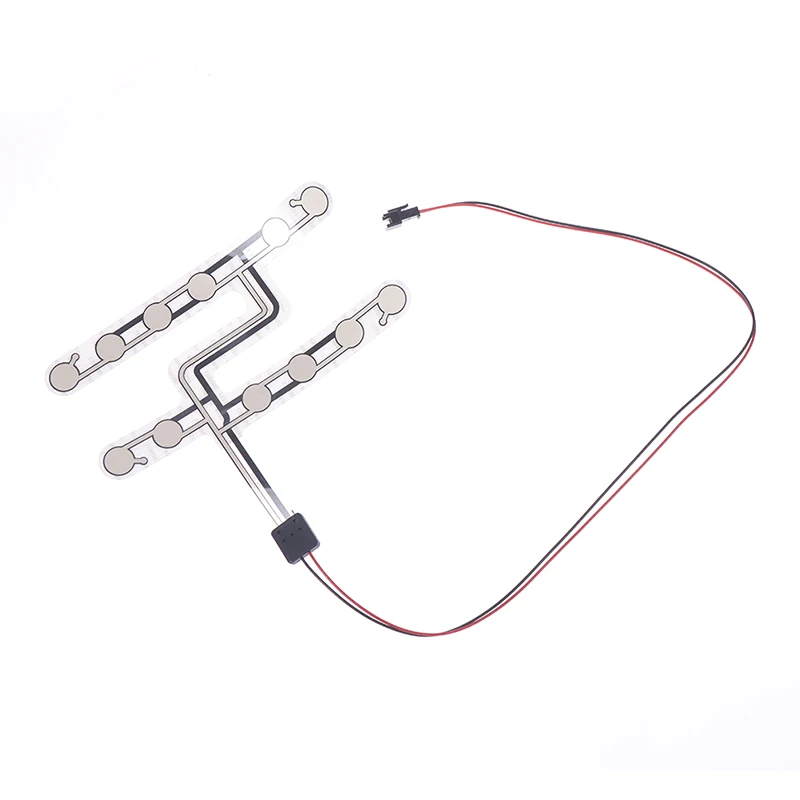
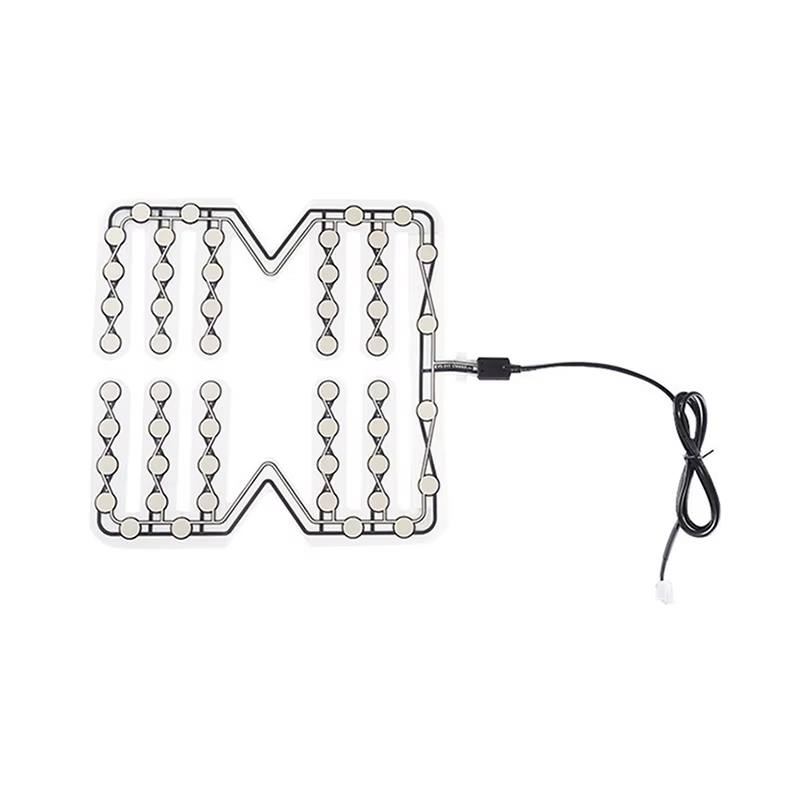
This car seat sensor measures if there is pressure on a chair or seat. The output is just an open or a closed circuit. You can directly attach it to a contact-/water leak sensor.

Pressure sensor - big version
Pressure sensorPressure sensor - big version
Pressure sensor - smaller version
Pressure sensorPressure sensor - smaller version
HX711 weight sensor
Weight sensorHX711 weight sensor

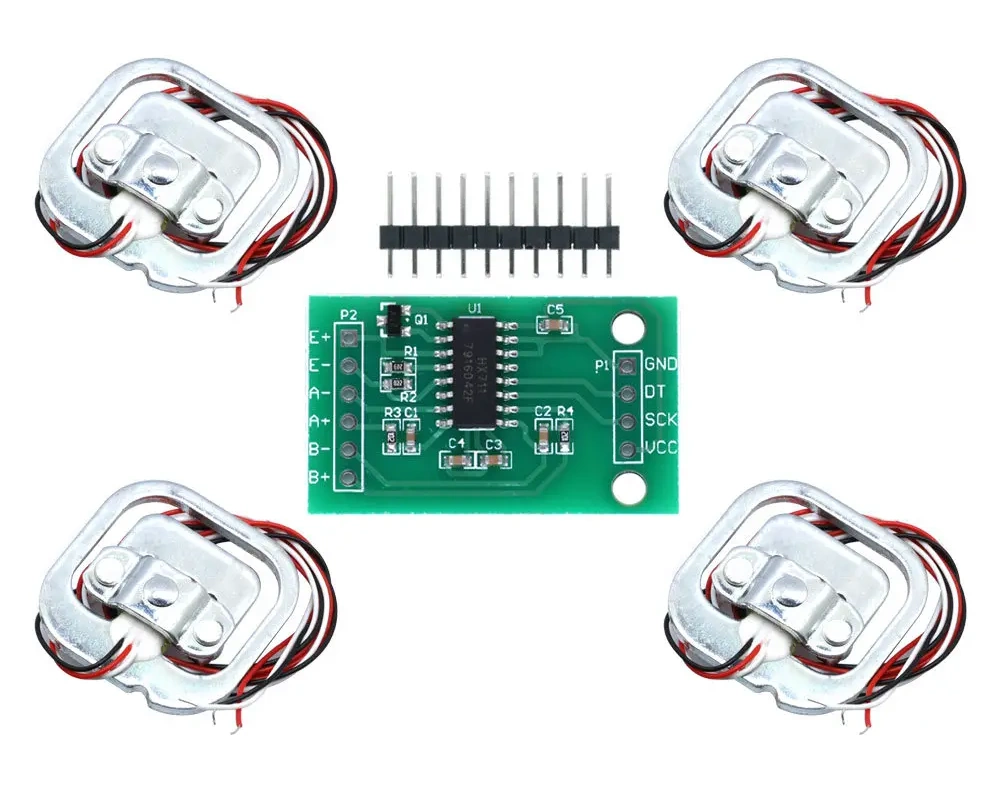
The HX711 Module comes with four pressure sensors which you can place under your bed to measure the pressure to see how many people are a.t.m. in the bed.

Rain gauge
Rain gauge sensorRain gauge

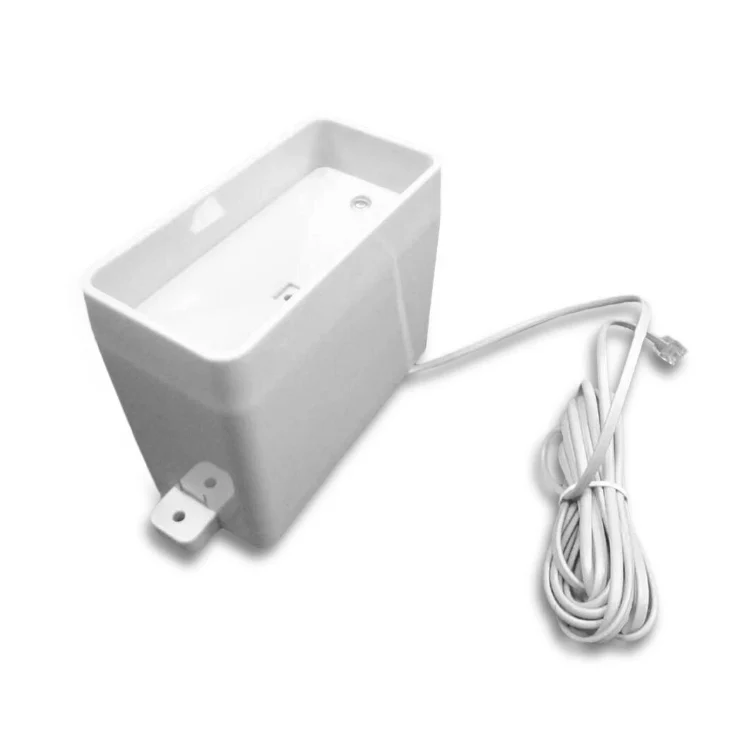
Can be used, together with a contact sensor, to create your own rain gauge sensor.

DS18B20 water temperature sensor
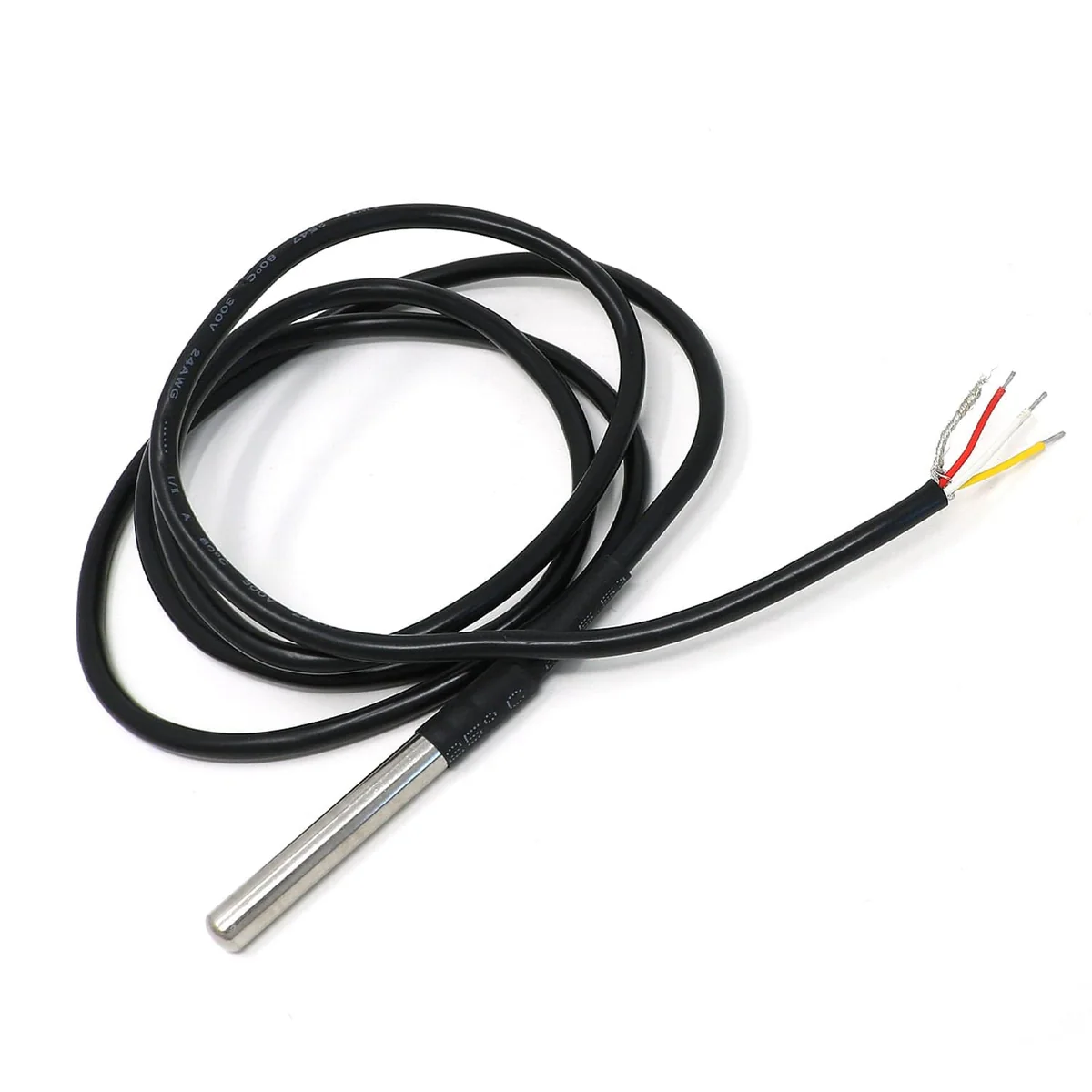
Waterproof temperature sensorDS18B20 water temperature sensor

The DS18B20 sensor is one to measure temperature in wet areas like an aquarium, for example.

HLK-2410C
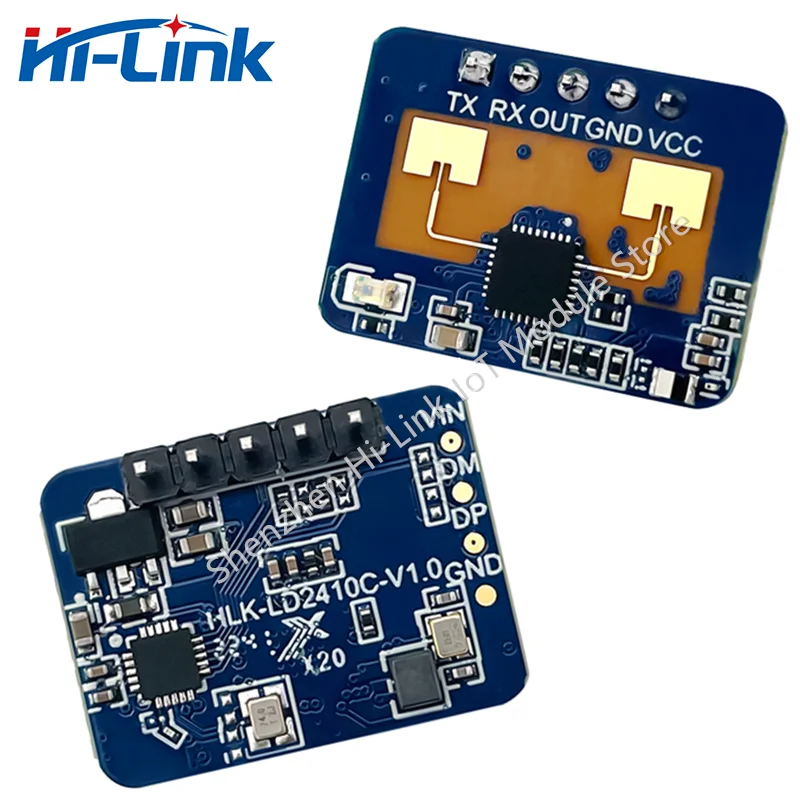
Occupancy sensor (mmWave)HLK-2410C

A 24GHz occupancy sensor (a.k.a. millimeter wave sensor).

RCWL-0516
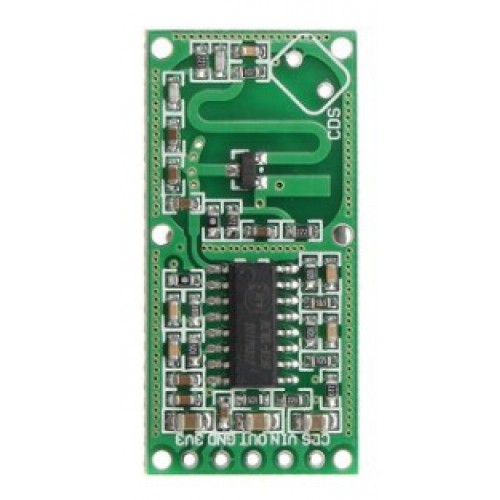
Presence sensor (microwave)RCWL-0516

A presence sensor (a.k.a. micrometer sensor). Check this page how to make your own presence detection sensor with this sensor.


Cables and power

Cables and power adapters to power your ESP.
Micro USB cable
Micro USB power cableMicro USB cable

USB-A to micro USB cable to power the ESP8266.

USB-C cable
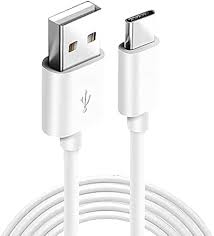
USB-C power cableUSB-C cable

USB-A to USB-C cable to power the ESP32.

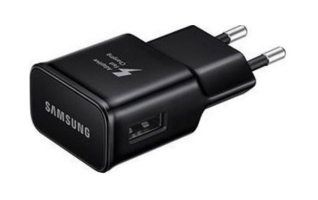
5V USB EU power adapter
5V USB adapter5V USB EU power adapter

5V USB EU power adapter to power the ESP.

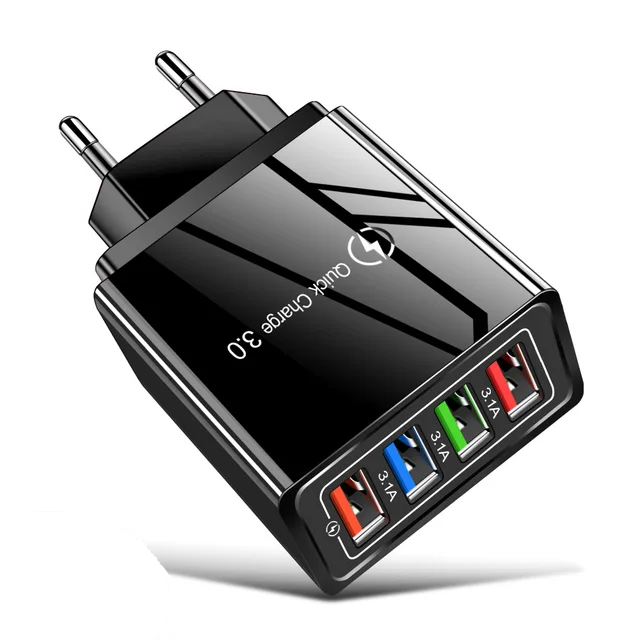
5V USB EU power adapter, fast charging
5V USB adapter5V USB EU power adapter, fast charging

To power multiple usb devices, with fast charging and 3.1A.
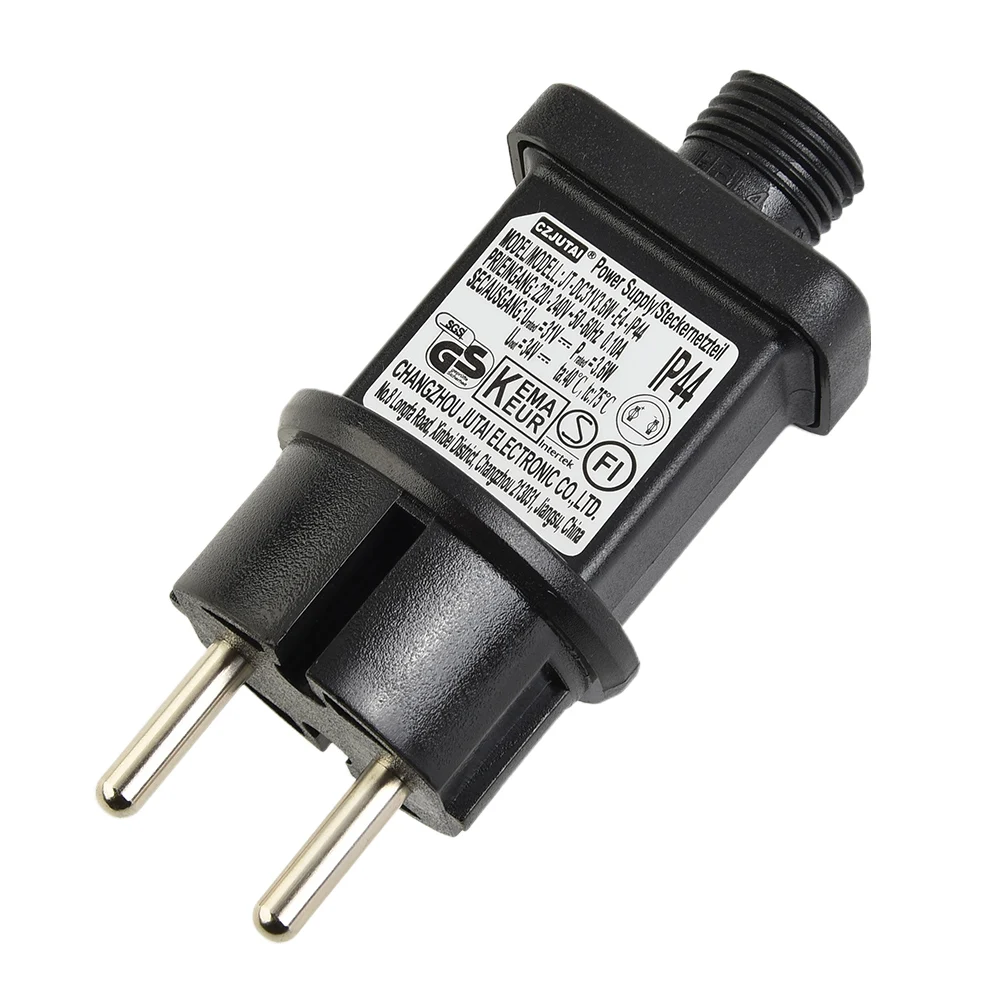
Christmas light adapter
Christmas light adapterChristmas light adapter

A 2 pins adapter without a button to select a mode, just on, for Christmas lights, 31V and 3.6W.

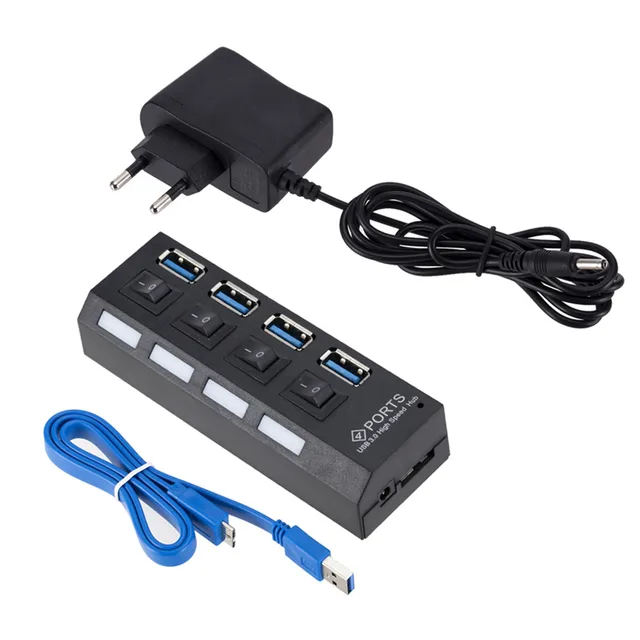
Active powered USB hub
USB hubActive powered USB hub

Active USB hub to power multiple USB devices.


Connecting and mounting

Everything to connect the ESP with the sensors.
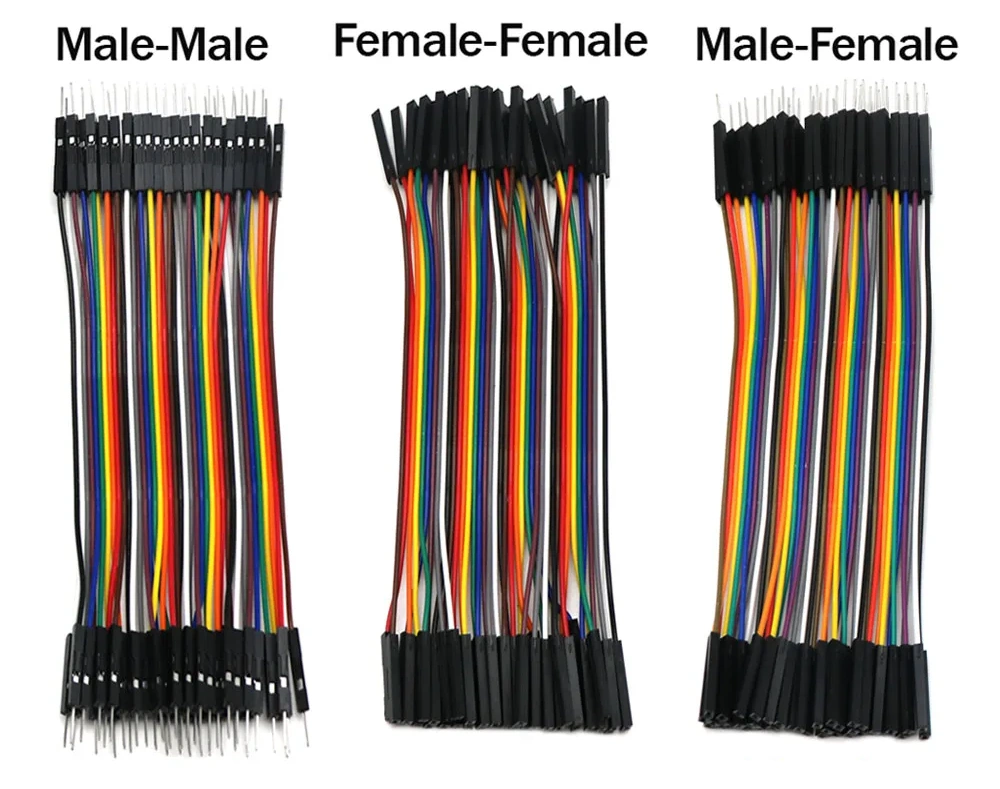
Dupont wires
DupontDupont wires

Dupont are cables to connect the ESP pins with sensors pins, in different variants: male to male, female to male and male to female. You can also cut one end to just solder it direct to the connector. Better order all three types at once, also for any further projects.

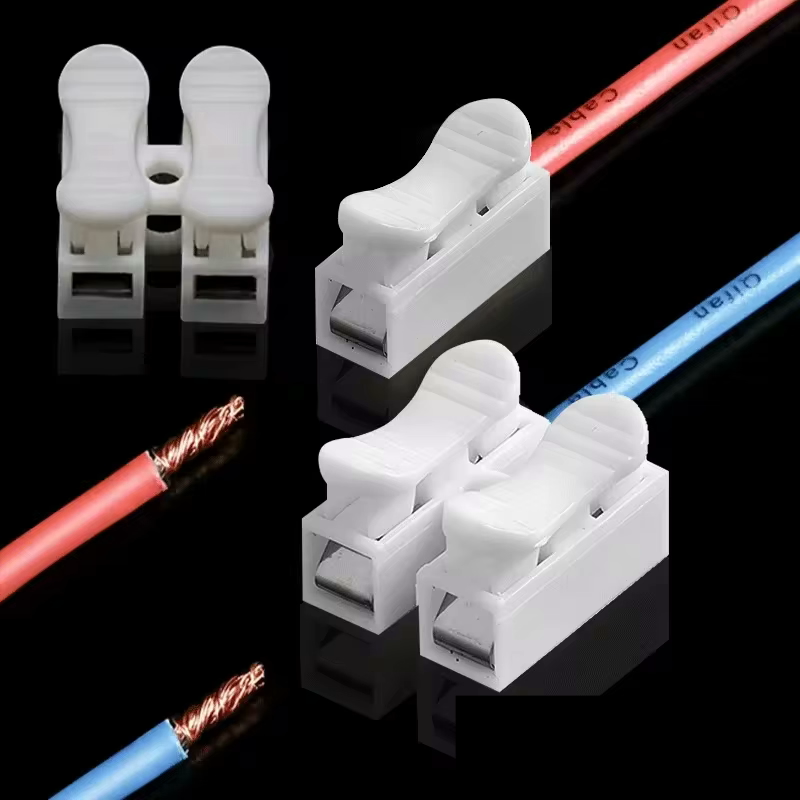
Cable connectors - option 1
Cable connectorsCable connectors - option 1

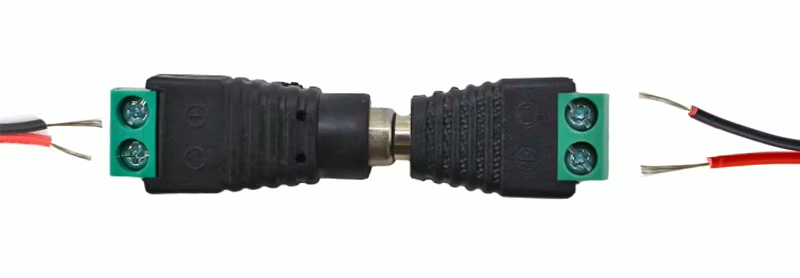
Connect two wires without soldering.

Cable connectors - option 2
Cable connectorsCable connectors - option 2

Connect two wires without soldering.

Pin head female
Pin headsPin head female

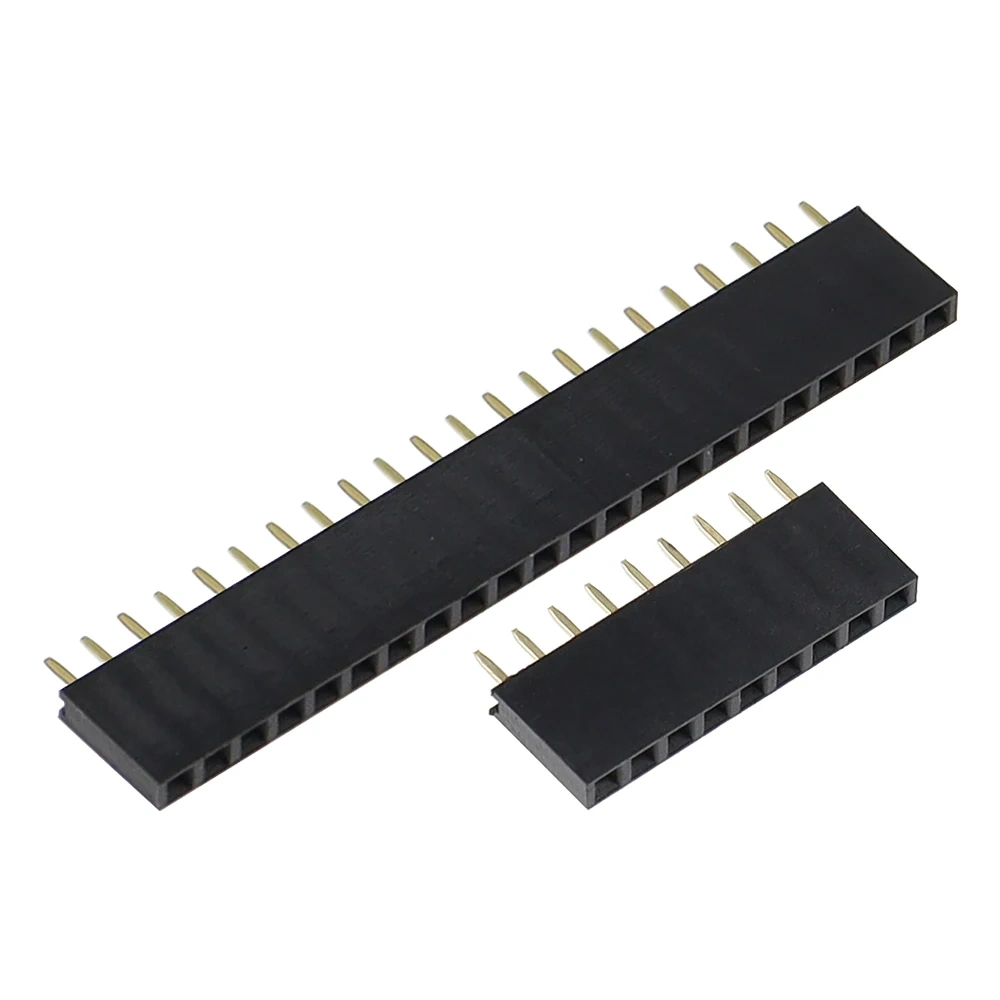
Pin heads to use dupont cables to connect the ESP with sensor. Only required if they are not already provided.

Pin head male
Pin headsPin head male

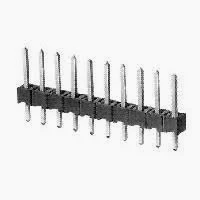
Pin heads to use dupont cables to connect the ESP with sensor. Only required if they are not already provided.


Boxes

A box protects the ESP board and the sensor, and makes your DIY sensor easy to place. Pick a waterproof one if the sensor is used outside or in a damp room.
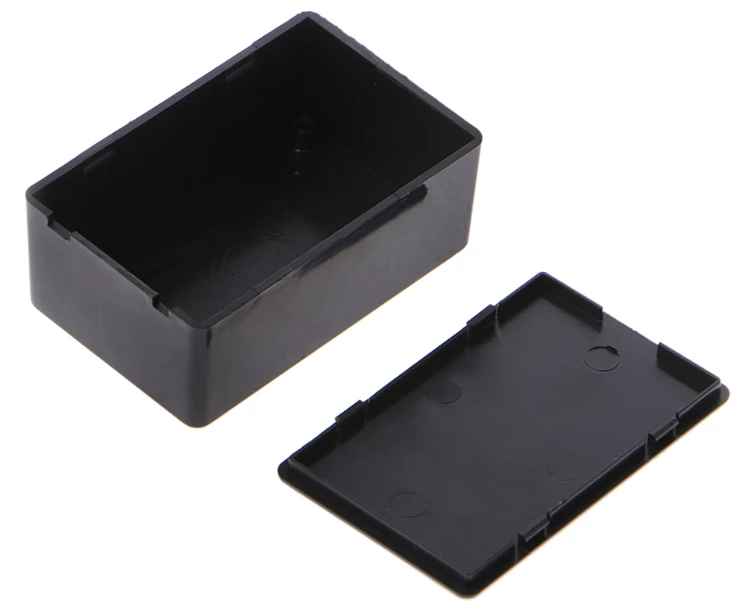
Plastic boxes in all kind of sizes
BoxesPlastic boxes in all kind of sizes

Plastic DIY Case to fix the esp board and sensor in.

Waterproof boxes in all kind of sizes
Boxes (waterproof)Waterproof boxes in all kind of sizes

Plastic DIY Case to fix the esp board and sensor in.


Tools

Some of the DIY sensors need soldering. These are the tools I use for it, and a breadboard to test your setup first.
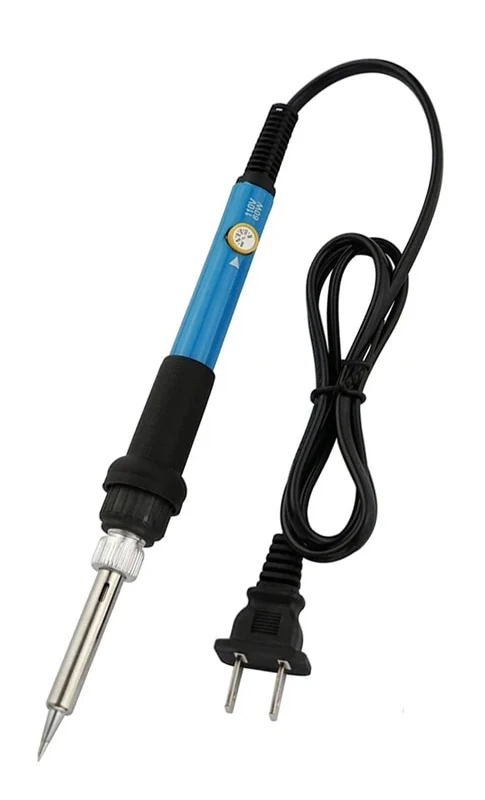
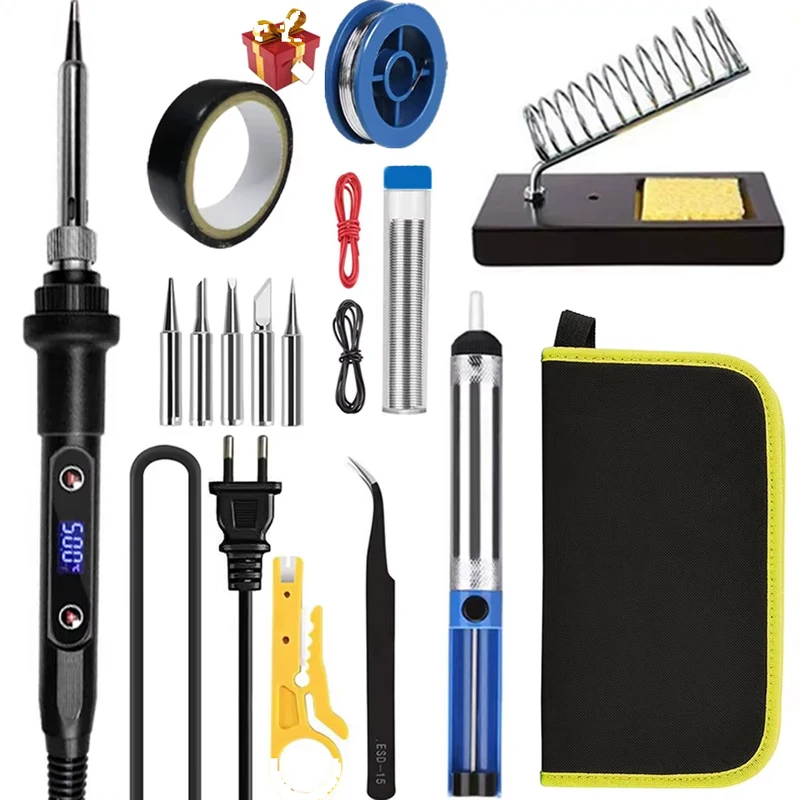
Soldering iron
Soldering ironSoldering iron

I suggest this based on the reviews. I already had one. Please let me know if you advise this one or not?

Soldering kit
Soldering kitSoldering kit

A complete set with a soldering iron, extra tips, solder wire, a stand, a desoldering pump and a carrying case.

Soldering tin wire
Soldering tin wireSoldering tin wire

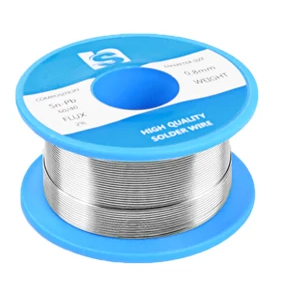
The tin wire you melt to make the connections.

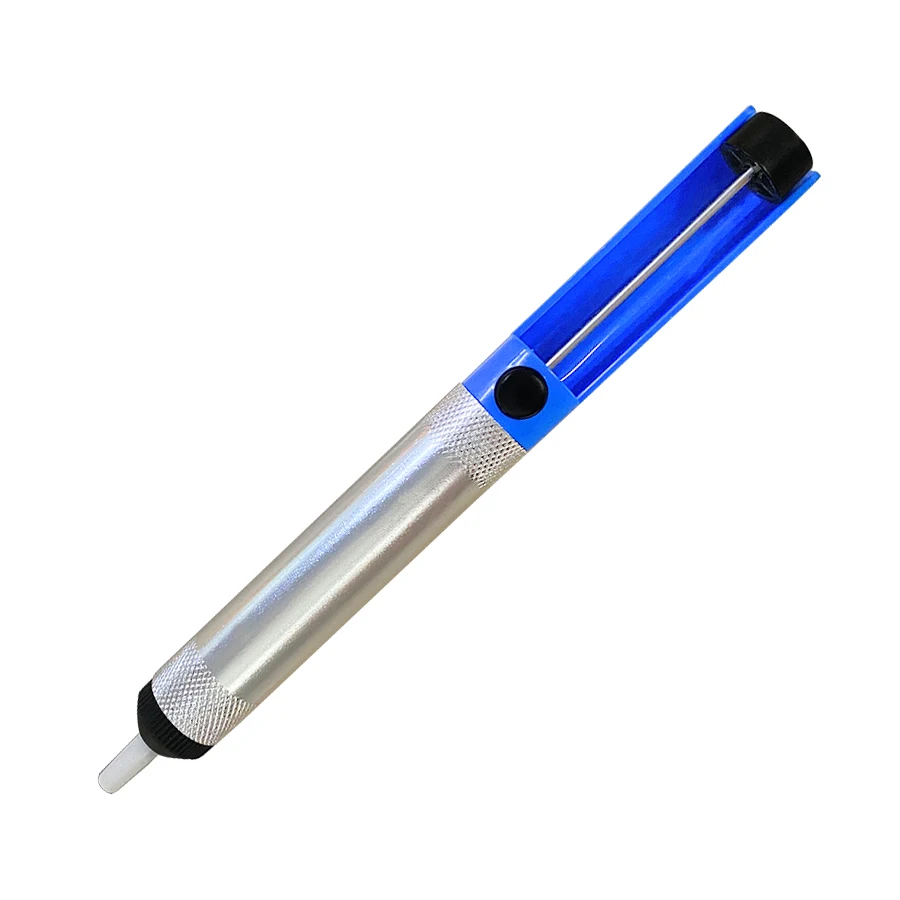
Desoldering
DesolderingDesoldering

A desoldering pump to remove solder when you made a mistake.

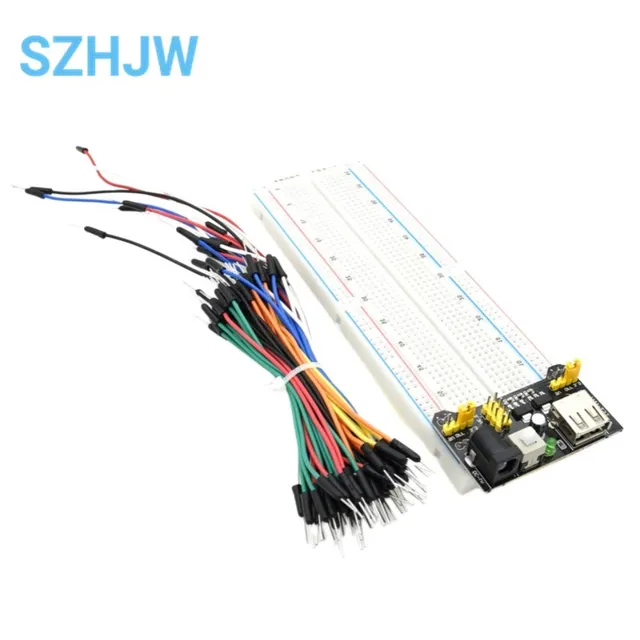
Breadboard
BreadboardBreadboard

A breadboard with dupont cables and power connector to test your setup first.

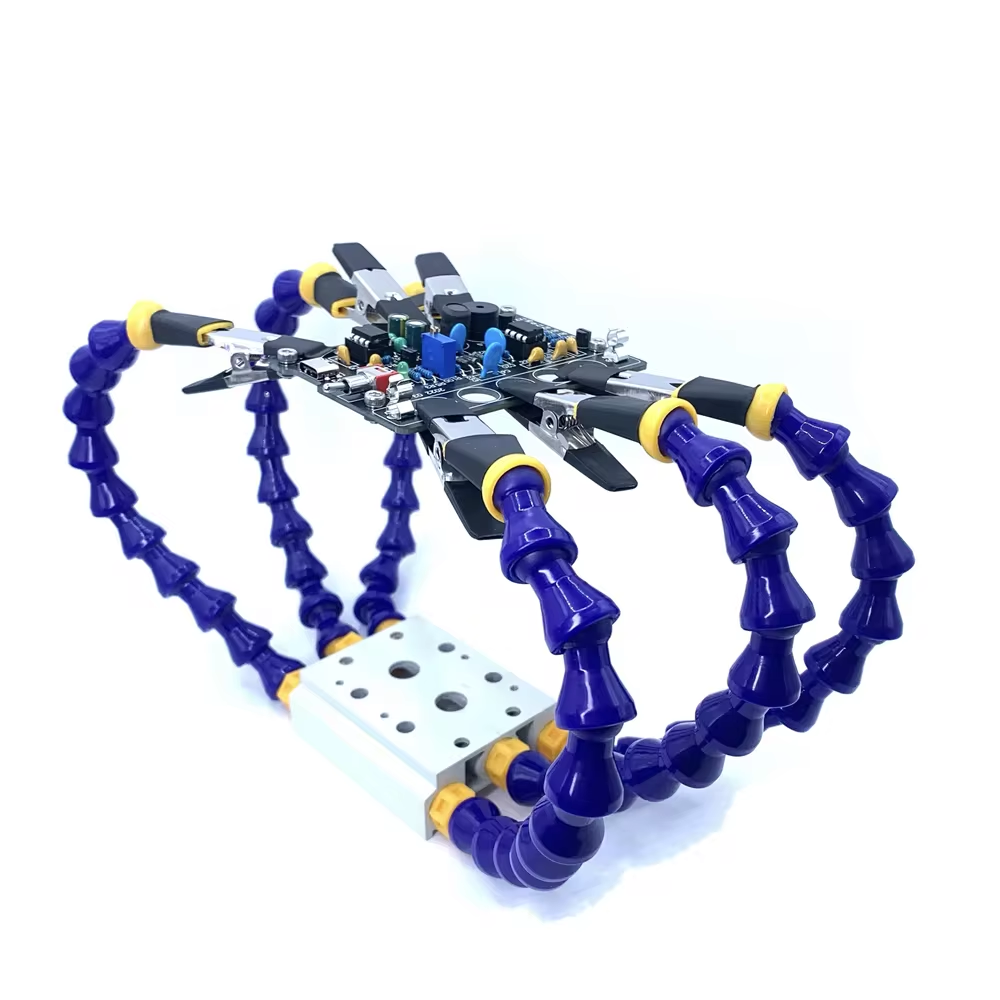
Helping hand
Helping handHelping hand

This helping hand can be used to hold the ESP board and sensor while soldering.


Other hardware

Some extra hardware which is useful for other DIY projects around your smart home.
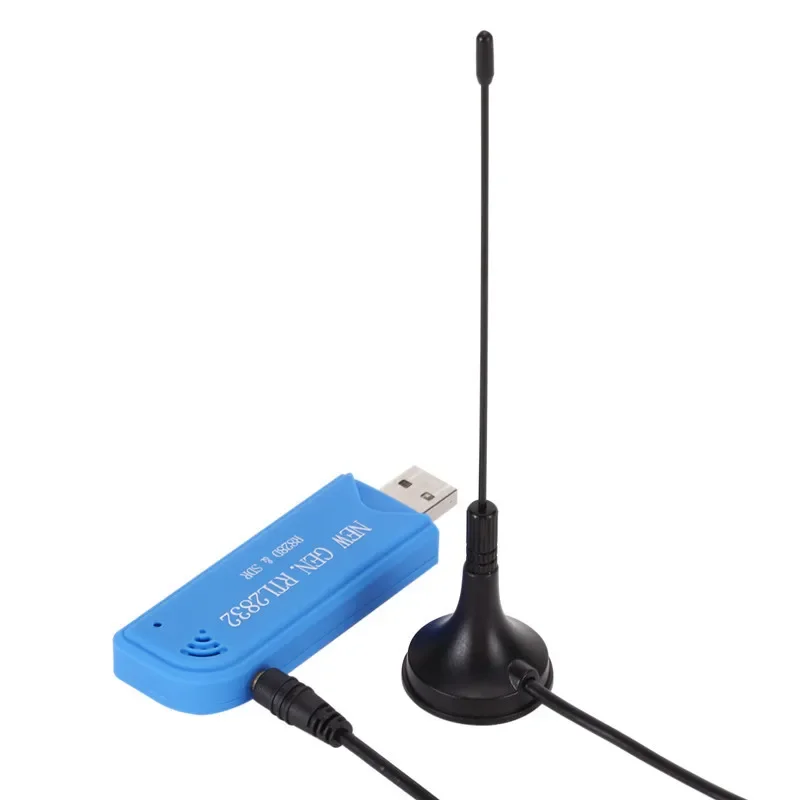
RTL-SDR radio sniffer
RTL-SDR Radio sniffer for 433 and 868 MHzRTL-SDR radio sniffer

This receiver can be used to receive or sniff signals send by device which uses the 433 or 868 MHz bandwidth.

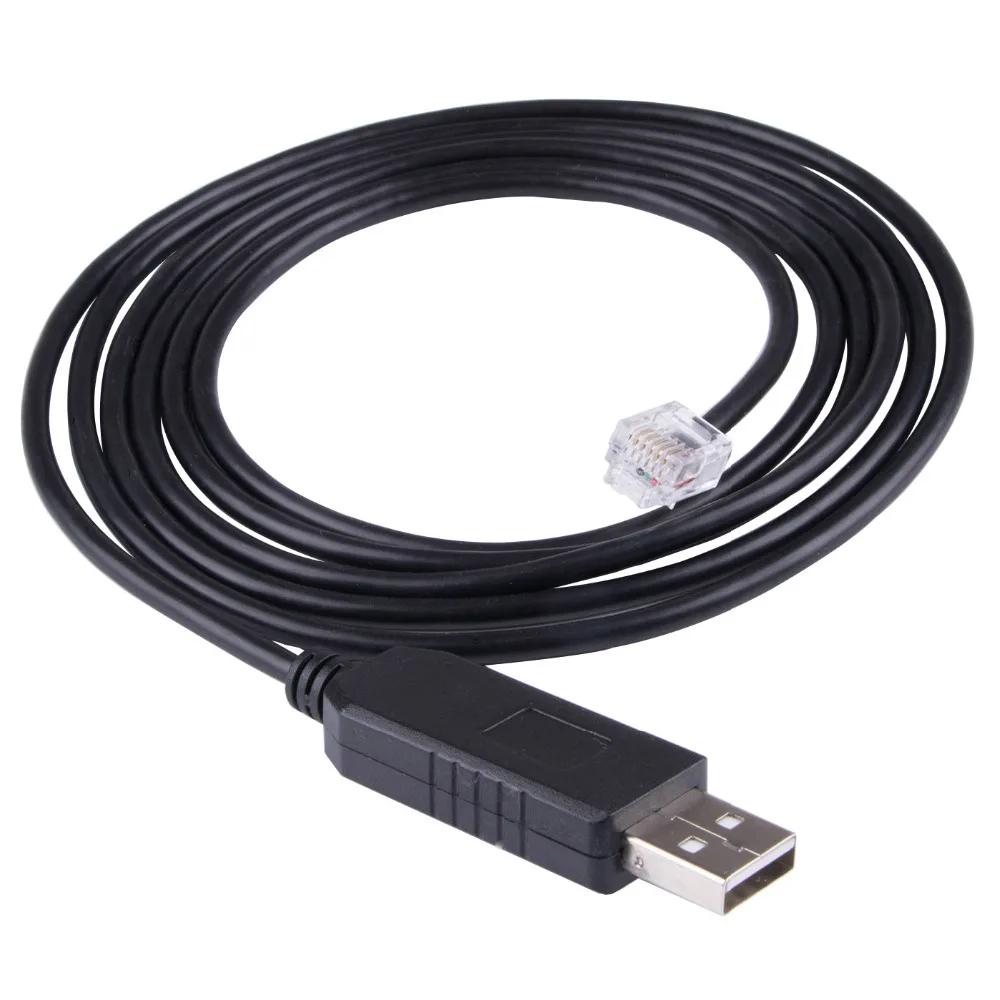
P1 smart meter cable
P1 cable for smart gas and energy meterP1 smart meter cable

With this cable, you can read your smart meter to read the gas and energy consumption.


Links to other sections of this blog:


^^ Top | Homepage | Best Buy Tips | Automation Ideas | Blog posts | Sitemap