Home Assistant dashboard: Pientere tuinen


Here you can find my dashboard elements for the Dutch project “Pientere tuinen”. A project to monitor the diversity in gardens around the country and make people aware of changes they can make to improve their garden for better water management, temperature and bio-diversity.
All this data will be used by different parties to see what the current status in each corner of the country and how to act on the current climate changes.
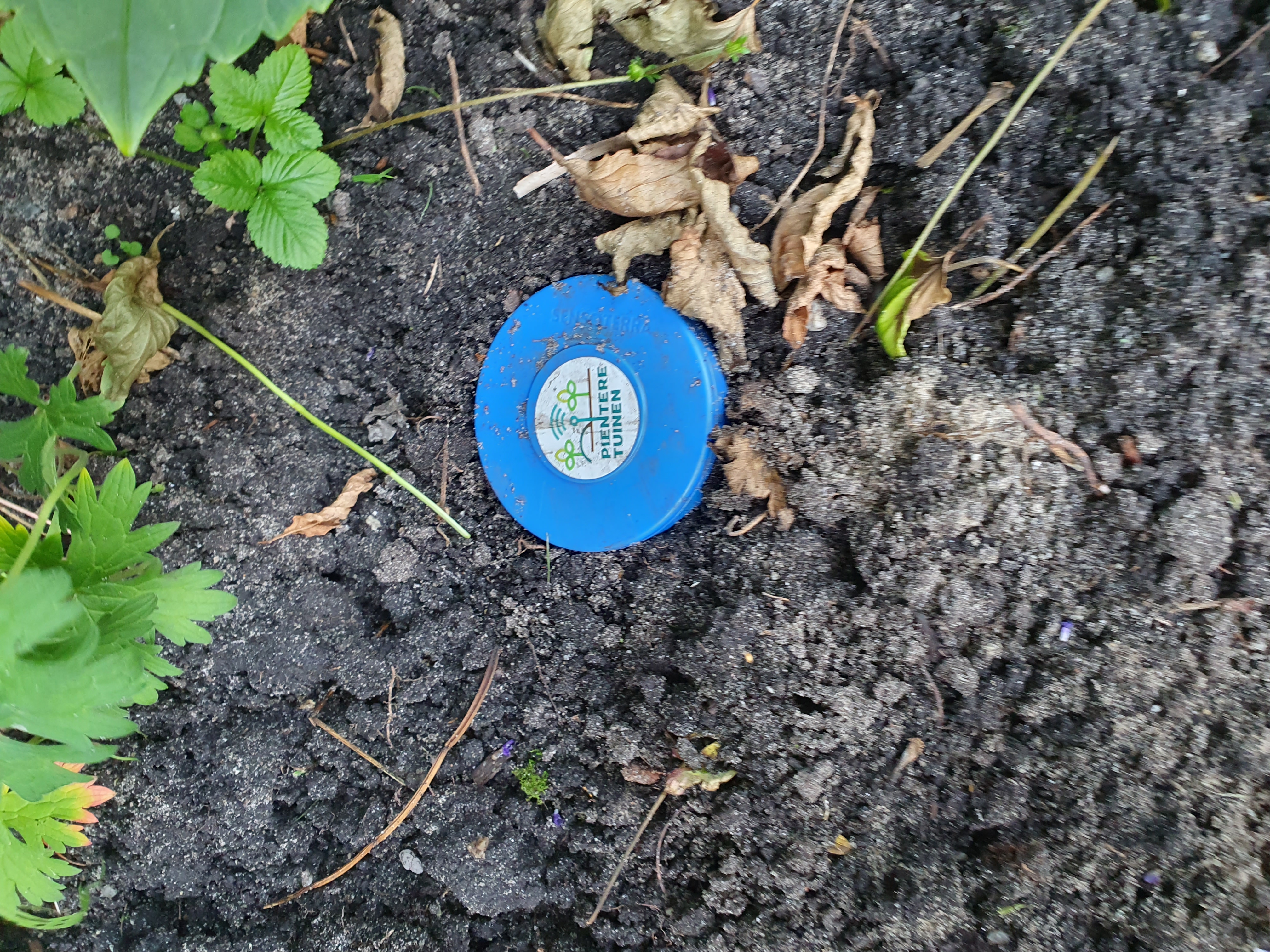
Garden owners who live in a municipality who work together with the project can subscribe, and if they fit in the project, they can join and get a soil sensor. The first part of the project is to first track the soil humidity and temperature in the gardens and to see what they can do with this data.
During the project more and more environmental data will be added for each garden to get a better overview of what has an impact on your garden experience.
The sensor works on a LoRa network. There is no need for a local setup. You get an account for an online dashboard to see your data.
For advanced users, like us, they also provide an api which you can use to integrate it on your own dashboard.
Read more about the project also on their LinkedIn page.
Subscribe here and hear if you also can join the project.
Table of Contents
Scrape the data
To get the data you need to scrape the api endpoint.
When you joined the project you can read more details on your own account.
# Source code by vdbrink.github.io
# REST sensor which reads soil temperature and humidity from the Pientere Tuinen API
# configuration.yaml
rest:
  - scan_interval: 3600
    resource: https://services.platform.wecity.nl/mijn-pientere-tuin/measurements
    headers:
      wecity-api-key: !secret wecity_api_key
    sensor:
      - name: "Mijn Pientere Tuin Temperatuur"
        value_template: "{{ value_json.content[0].temperatureCelsius }}"
        unit_of_measurement: "°C"
        state_class: measurement
      - name: "Mijn Pientere Tuin Vochtigheid"
        value_template: "{{ (value_json.content[0].moisturePercentage | float * 100)|round(2) }}"
        unit_of_measurement: "%"
        state_class: measurement
Dashboard
With this data in Home Assistant I created my own dashboard.
Used dashboard elements
These are the three basic Home Assistant elements I used.
| name | link |
|---|---|
| Picture Entity Card | https://www.home-assistant.io/dashboards/picture-entity/ |
| History Graph Card | https://www.home-assistant.io/dashboards/history-graph/ |
| Gauge Card | https://www.home-assistant.io/dashboards/gauge/ |
Project logo with the soil temperature
A Picture Entity Card with the actual soil temperature.
# Source code by vdbrink.github.io
# Picture entity card which shows the actual soil temperature of the garden
# Picture Entity Card Configuration
show_state: true
show_name: true
camera_view: auto
type: picture-entity
image: https://help.wecity.nl/hubfs/pt-logo.jpg
entity: sensor.mijn_pientere_tuin_temperatuur
Gauge with the humidity
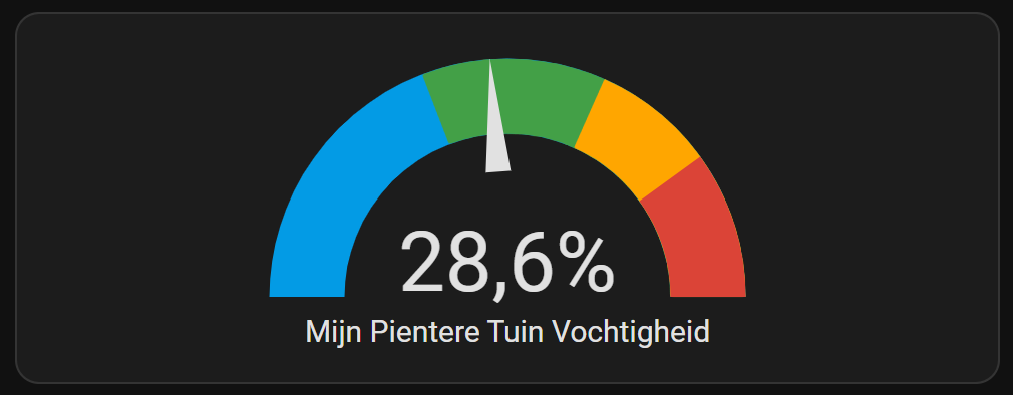
A Gauge to show if the soil humidity is in a correct range.
The values depends on your type of soil.
# Source code by vdbrink.github.io
# Gauge card with the soil humidity
# Gauge Card Configuration
type: gauge
entity: sensor.mijn_pientere_tuin_vochtigheid
needle: true
severity:
  green: 23
  yellow: 38
  red: 48
max: 60
unit: '%'
Soil temperature in a graph
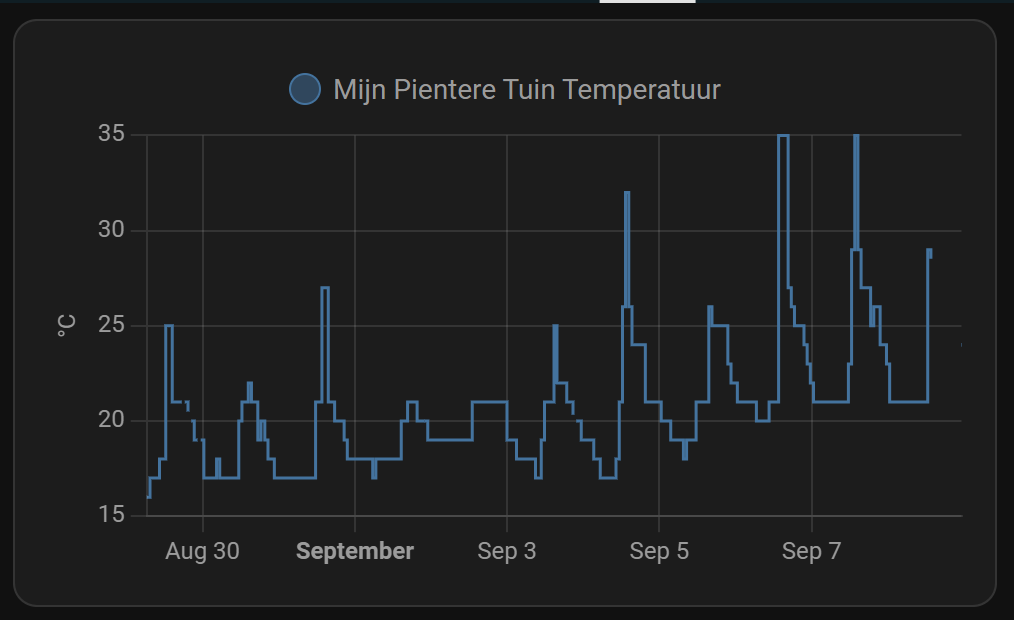
Show the soil temperature in a graph.
# Source code by vdbrink.github.io
# History graph card with the soil temperature
# History Graph Card Configuration
type: history-graph
entities:
- entity: sensor.mijn_pientere_tuin_temperatuur
  hours_to_show: 720
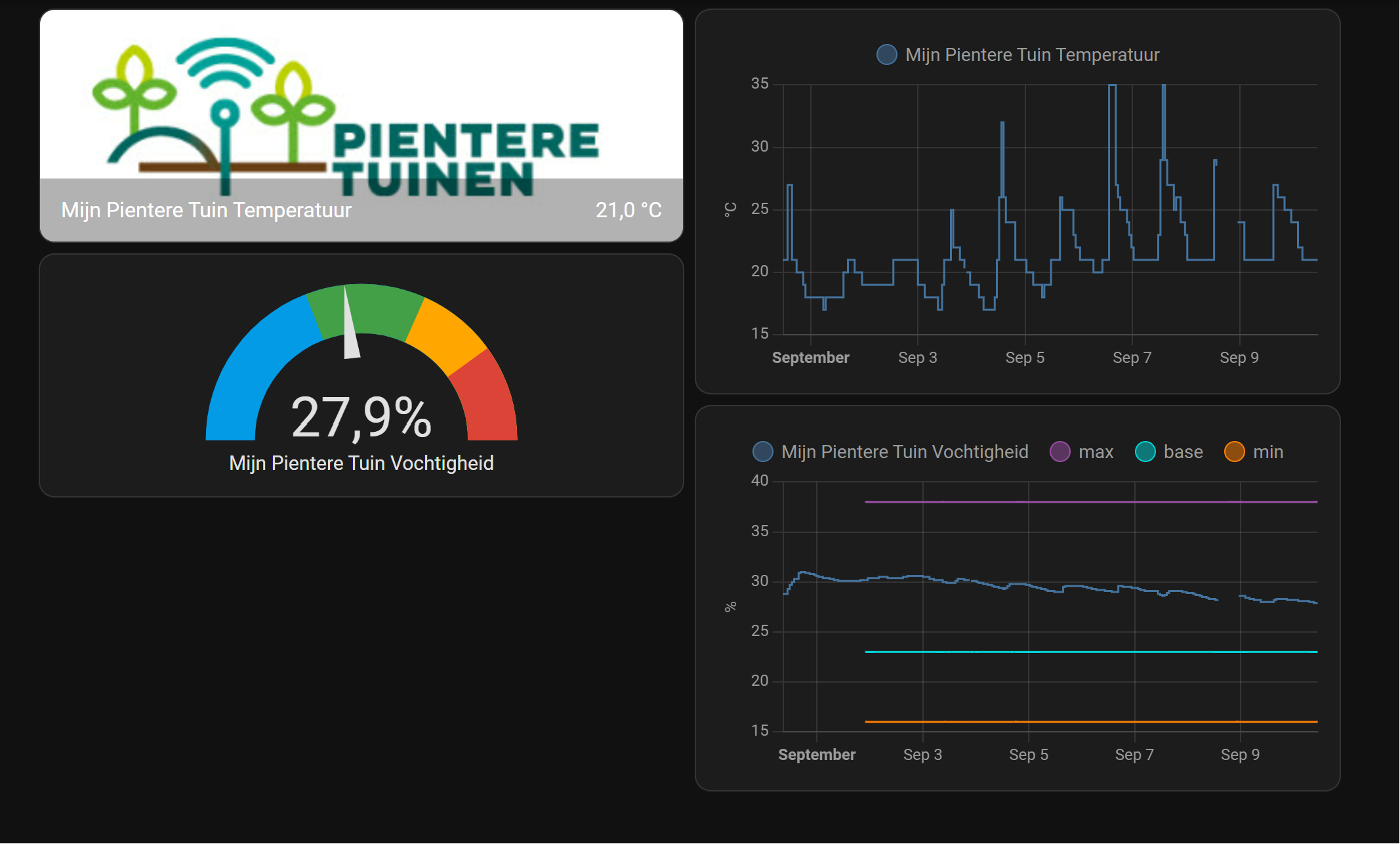
Soil humidity in a graph
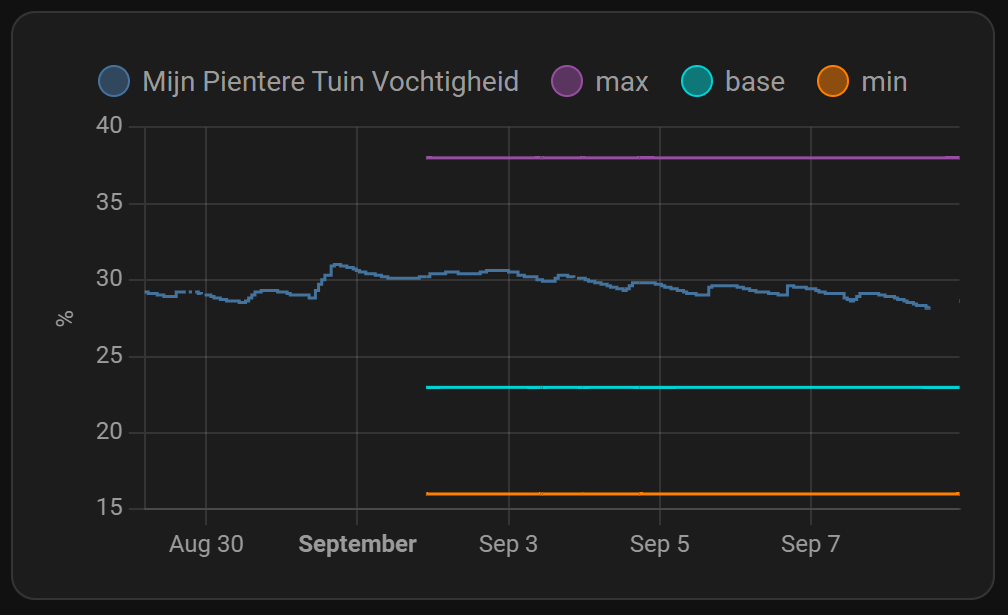
Show the humidity in a graph. Also with static edge values.
# Source code by vdbrink.github.io
# History graph card with the soil humidity
# History Graph Card Configuration
type: history-graph
entities:
- entity: sensor.mijn_pientere_tuin_vochtigheid
- entity: sensor.mijn_pientere_tuin_vochtigheid_max
- entity: sensor.mijn_pientere_tuin_vochtigheid_base
- entity: sensor.mijn_pientere_tuin_vochtigheid_min
  hours_to_show: 720
Static value sensors
Create a sensors with a static values to show a min/max/base line in the graphics. These values are based on clay ground.
See this private project link which exact values are for your soil.
# Source code by vdbrink.github.io
# Three static template sensors with the minimum, base and maximum soil humidity
# configuration.yaml or the file pientere_tuinen.yaml in the sensor directory
template:
  - sensor:
      - name: "Mijn pientere tuin vochtigheid max"
        unique_id: mijn_pientere_tuin_vochtigheid_max
        state: 38
        device_class: 'moisture'
        unit_of_measurement: '%'
      - name: "Mijn pientere tuin vochtigheid base"
        unique_id: mijn_pientere_tuin_vochtigheid_base
        state: 23
        device_class: 'moisture'
        unit_of_measurement: '%'
      - name: "Mijn pientere tuin vochtigheid min"
        unique_id: mijn_pientere_tuin_vochtigheid_min
        state: 16
        device_class: 'moisture'
        unit_of_measurement: '%'
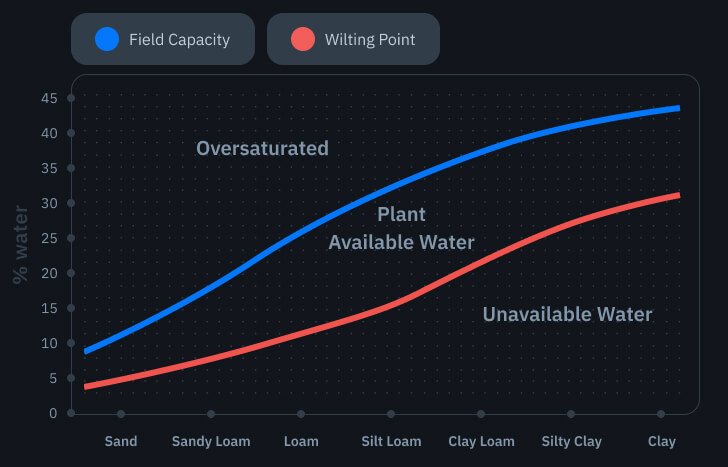
Soil type and water levels
In this graph, you can see that each type of soil has its own levels when it’s good for plants to live on.
« See also my other Home Assistant tips and tricks
^^ Top | Homepage | Best Buy Tips | Automation Ideas | Blog posts | Sitemap