Mossarium
A small living ecosystem on my desk
Introduction
While creating my Pinterest mood board for my home office, I found a lot of inspiration for moss terrariums, also known as mossariums. You will also see them called a mini rainforest, a micro landscape, a miniature ecosystem, a moss garden or a jar garden. I wanted a small piece of nature on my desk, but without the care of a normal houseplant.
Buying a fully decorated one was quite expensive, but I found a DIY kit that made it possible to build my own for a reasonable price. Later, my local garden center and online shops started selling complete mossariums, so it is worth checking there too.
Now it stands on my desk in my home office, next to my monitor. It looks amazing, is compact, and it gives me a moment of rest to look at during the day.
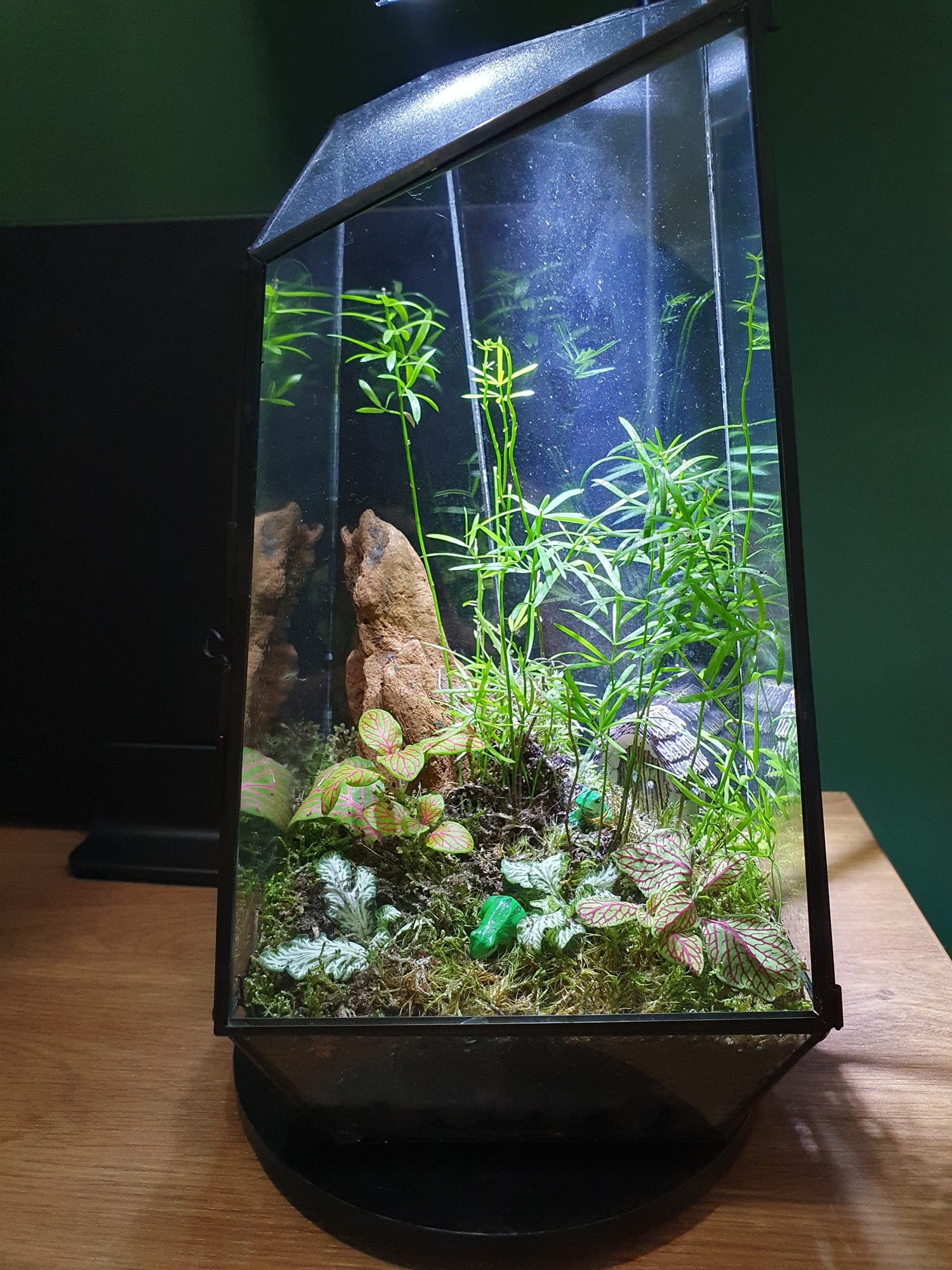
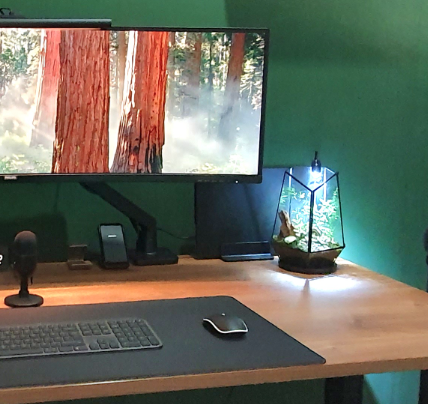
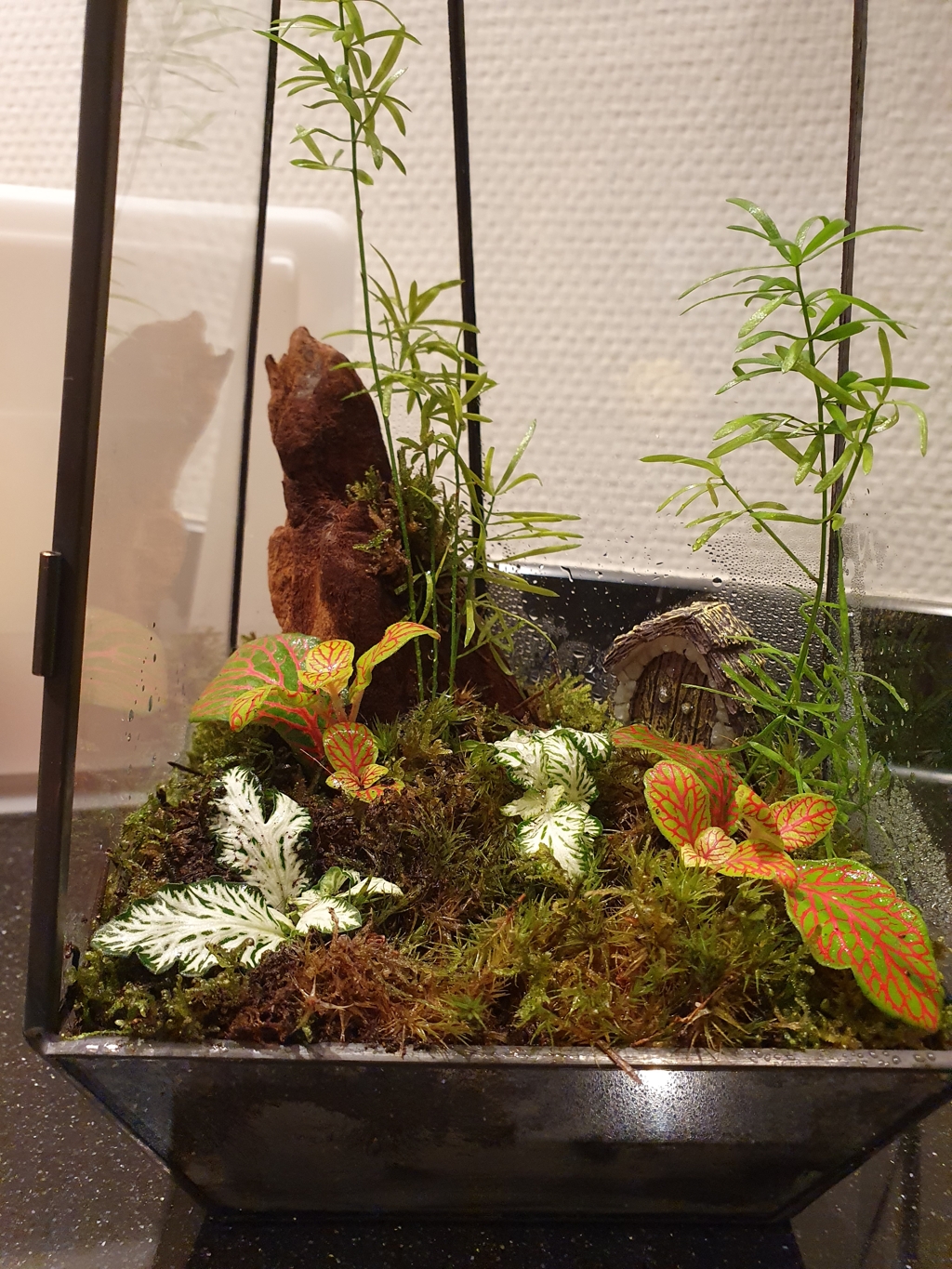
Table of Contents
How it works
A mossarium is a small, mostly closed ecosystem. The plants and the moss inside create their own climate:
- Water cycle: the water in the soil evaporates, condenses on the glass and drips back into the soil. So the same water is used over and over again.
- Photosynthesis: with light, the plants and the moss make oxygen and take in carbon dioxide.
- Recycling: fallen leaves are broken down by tiny organisms in the soil and become nutrients for the plants.
Because of this, you need very little water. A well-balanced closed mossarium can stay closed for months, or even years, and only needs a bit of water and some trimming of grown plants now and then.
It’s a special little ecosystem, which is also why it’s so fun to watch it grow.
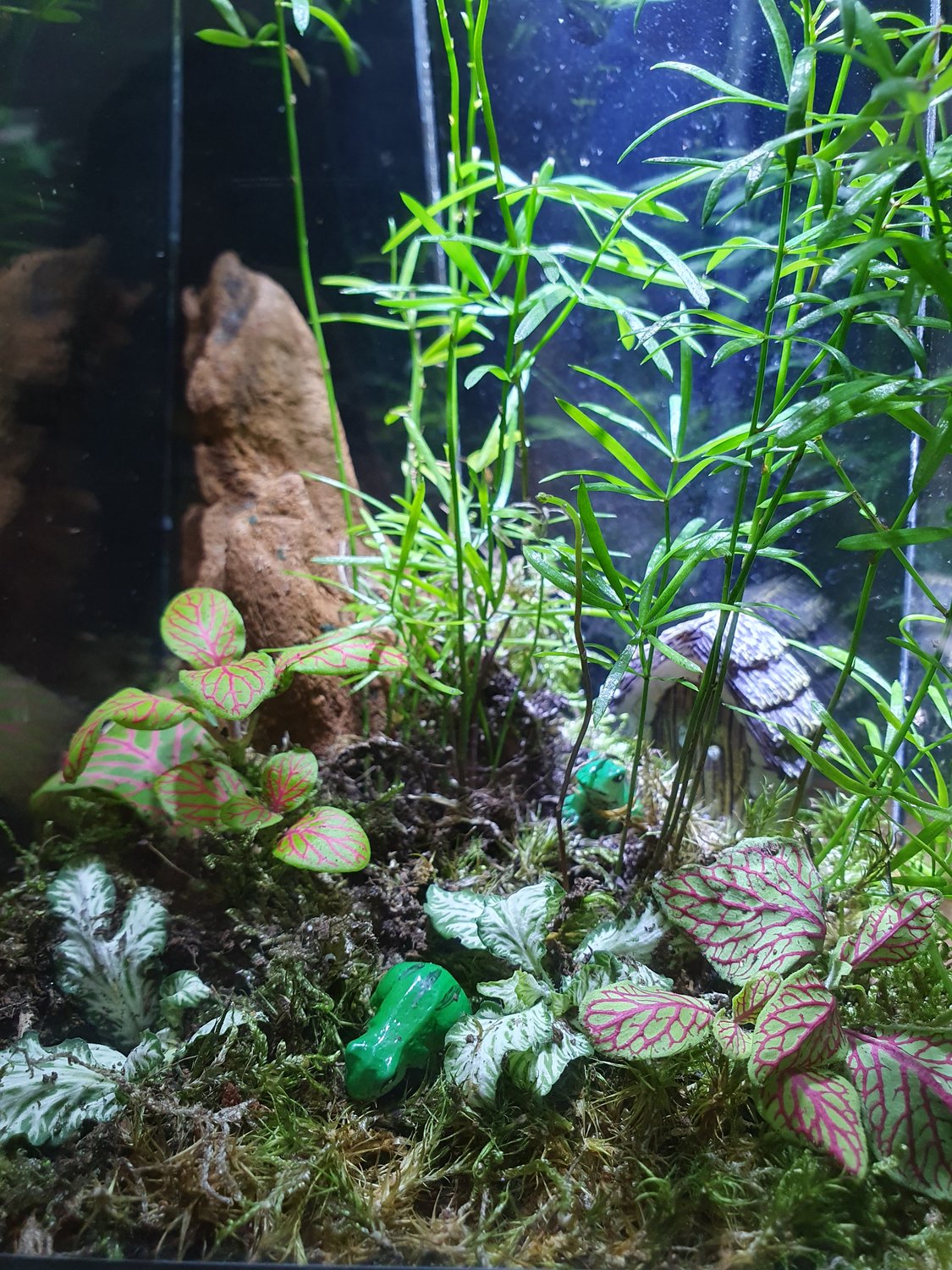 a close-up of my mossarium with the plants and deco
Where to buy
You can buy a ready-made mossarium, but a complete one is quite expensive. A cheaper option is a DIY kit, where you add the moss and plants yourself. You can also find them at local garden centers, aquarium and terrarium shops, plant shops and on second-hand marketplaces (for the glass).
These are the products I used for my desk mossarium:
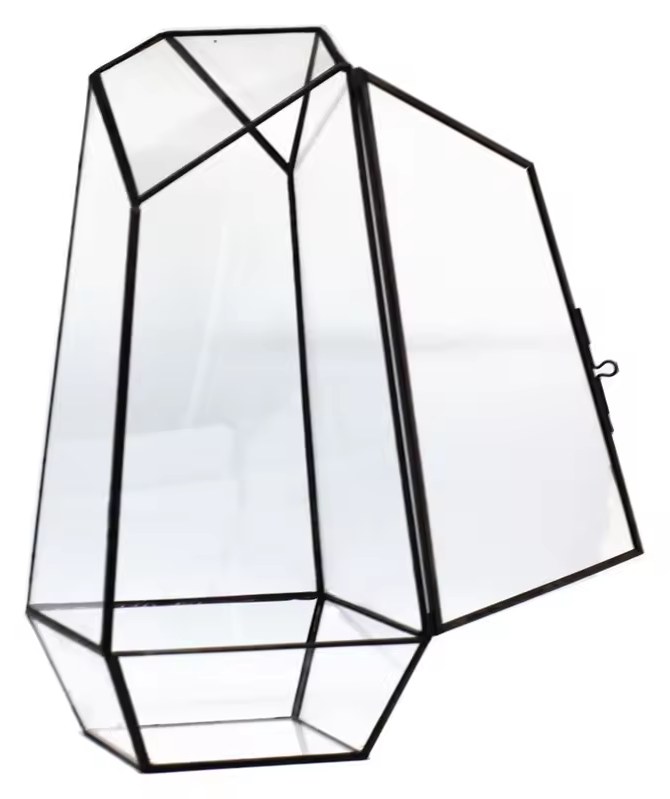
The glass container I used for my mossarium.
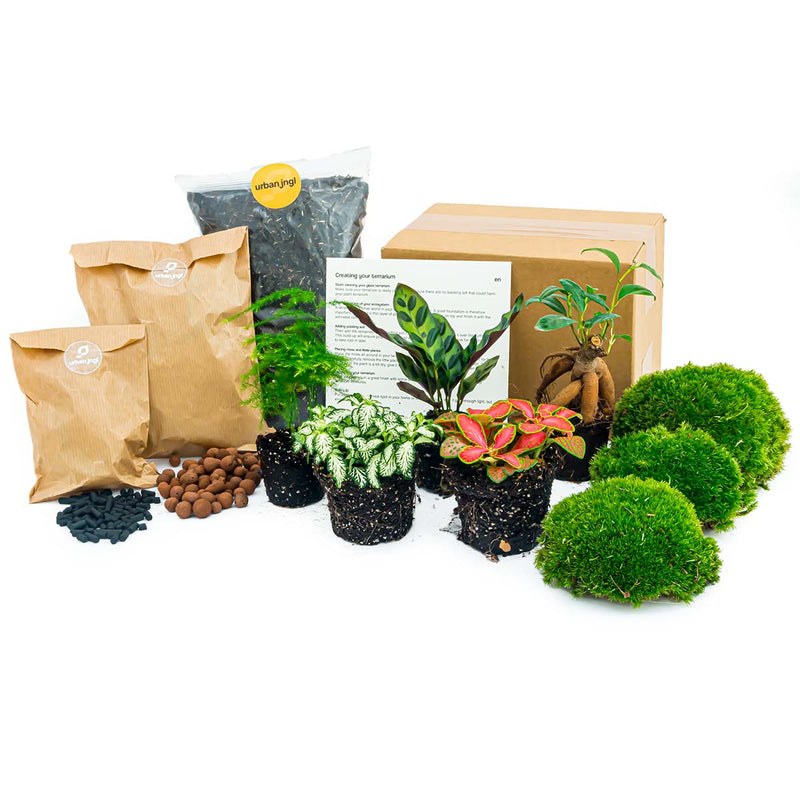
Everything to make your own mossarium: moss, plants and substrate. This is what I started with.
 Woonhero.nl | Look for a local terrarium store
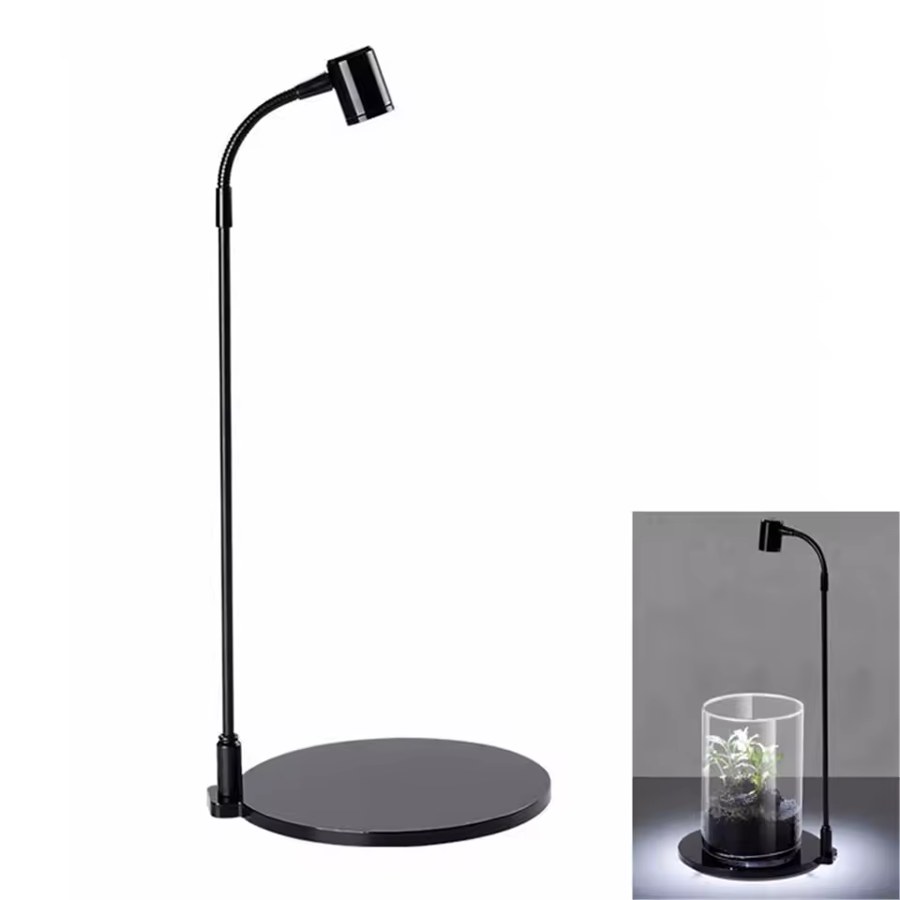
A small LED light to highlight the moss and plants, especially in the evening.
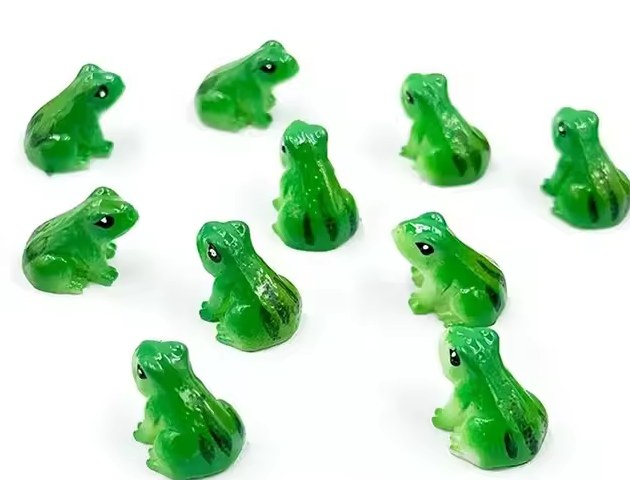
Small decorative frogs that make the mossarium feel more alive.
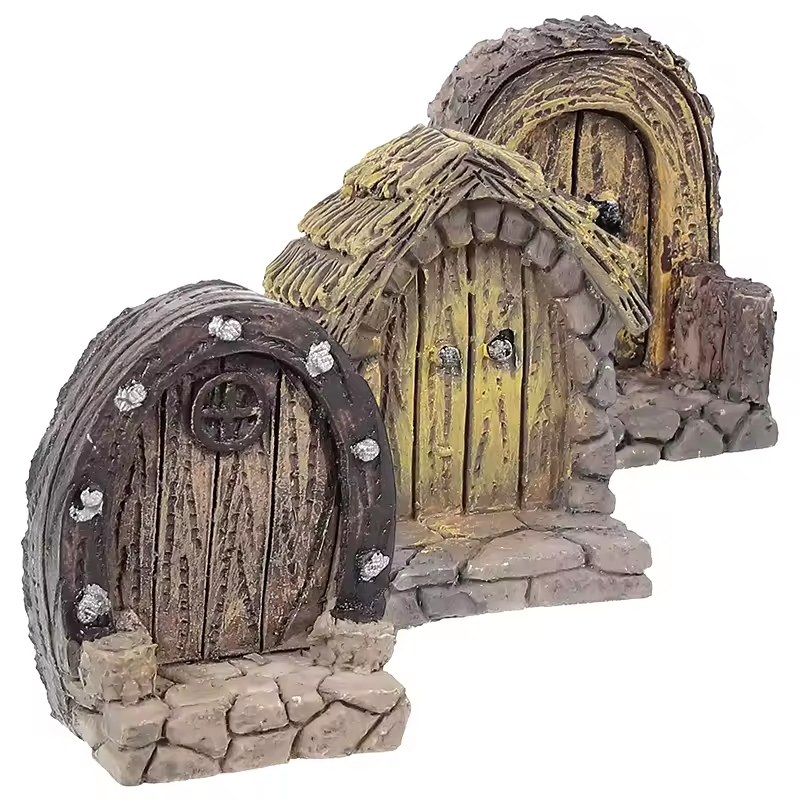
A tiny fairy-style door to place against the glass or between the moss, which gives your mossarium a little story.
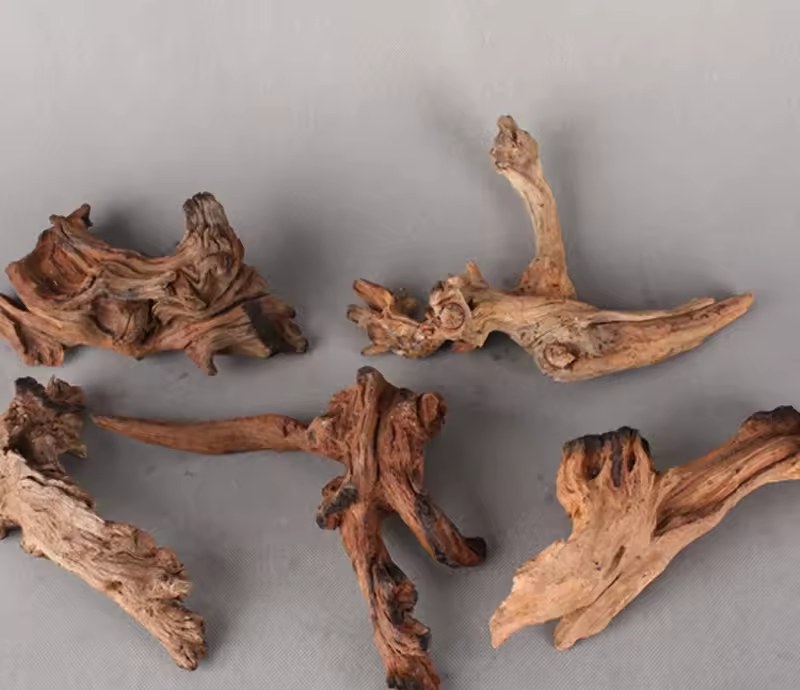
Natural driftwood roots in different shapes, to give your mossarium height and a natural look. Also look at a local aquarium store, and pick the wood you like the most.

Looking for more? Search AliExpress for all kinds of articles for a mossarium: glass containers, miniatures, decorations and tools.
Make one yourself
It is easy to make one yourself. You need a container, a few layers of material, plants and moss.
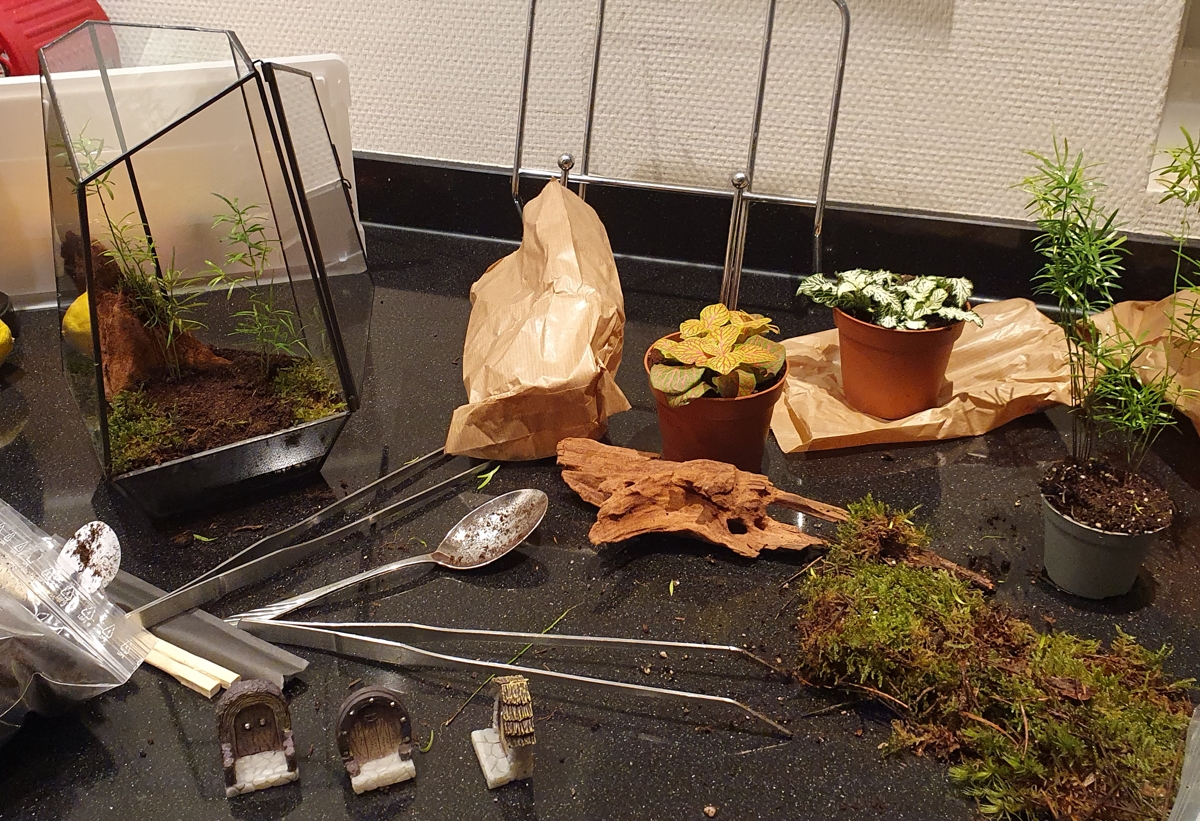 my mossarium during creation
The layers, from bottom to top:
- Drainage layer: 2-3 cm of small stones or expanded clay balls, where the extra water can collect.
- Separation layer: a piece of mesh or a layer of sphagnum moss, so the soil doesn’t mix with the drainage.
- Activated charcoal: a thin layer to keep the water fresh and avoid bad smells and mold.
- Substrate: 3-5 cm of terrarium or potting soil without extra fertilizer. Make it a bit higher at the back for depth.
- Deco wood: place a piece of deco wood (driftwood) on the substrate first, because it gives your mossarium structure and height. Rinse it before use, and look at a local aquarium store for the wood you like the most.
- Plants: place the plants with the tallest ones at the back. Use long tweezers in a narrow container.
- Moss: place the moss pieces between the plants and on the open spots, and press them down lightly.
- Decoration: add stones or small figures, like my frogs and deco door. Don’t use too much, because the container is small.
Finish with adding a bit of water, close the lid and place it in bright, indirect light. Keep it out of direct sun, because the glass can heat up and burn the plants.
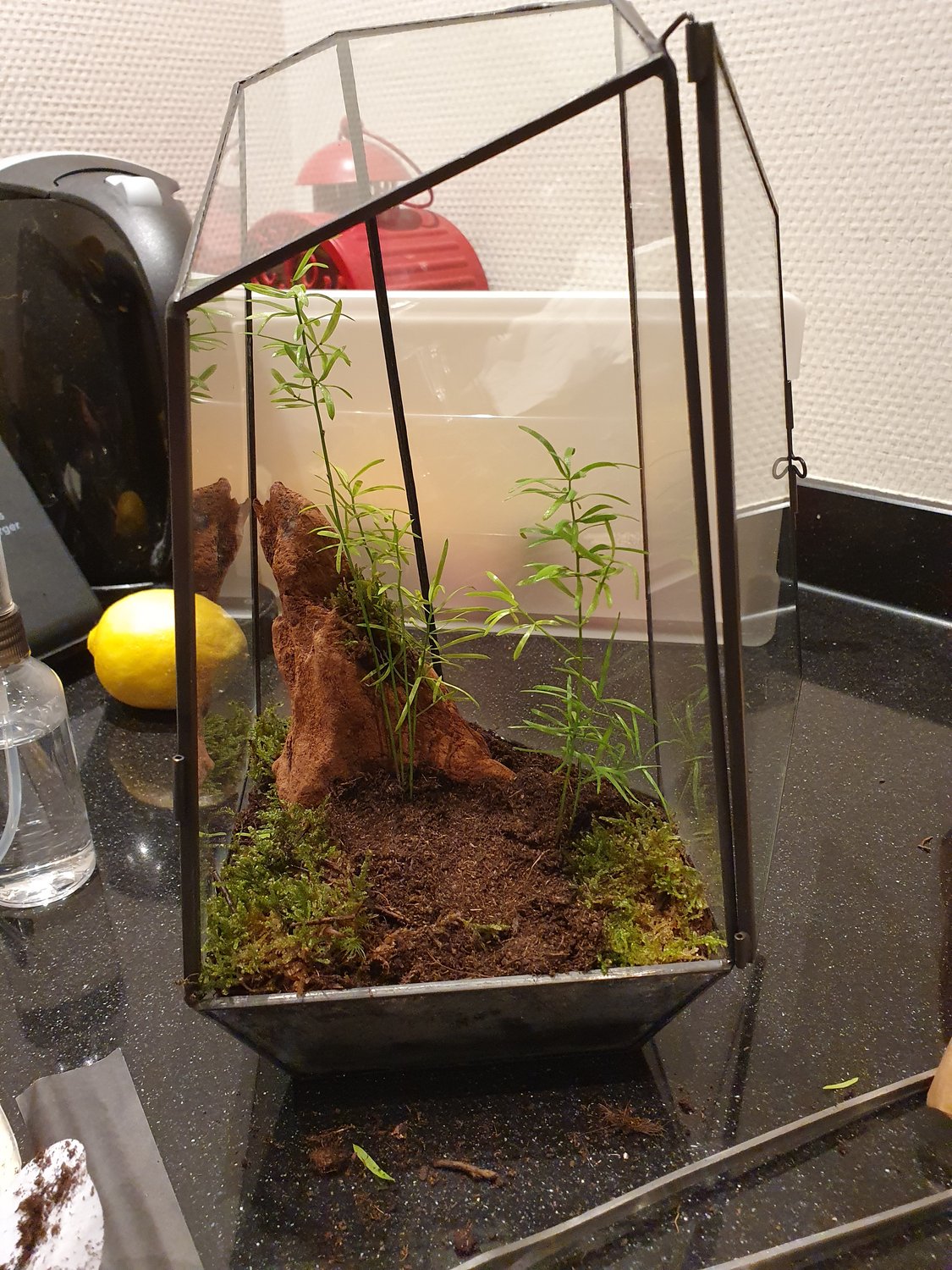 a glass house mossarium during creation, with wood, plants and moss
Choose a container
You can use almost any clear glass container, as long as you can reach the bottom to place the plants:
A small glass terrarium house with a door or sliding lid. This is easy to access for placing, trimming and watering, and it looks great on a desk.
The terrarium glass I use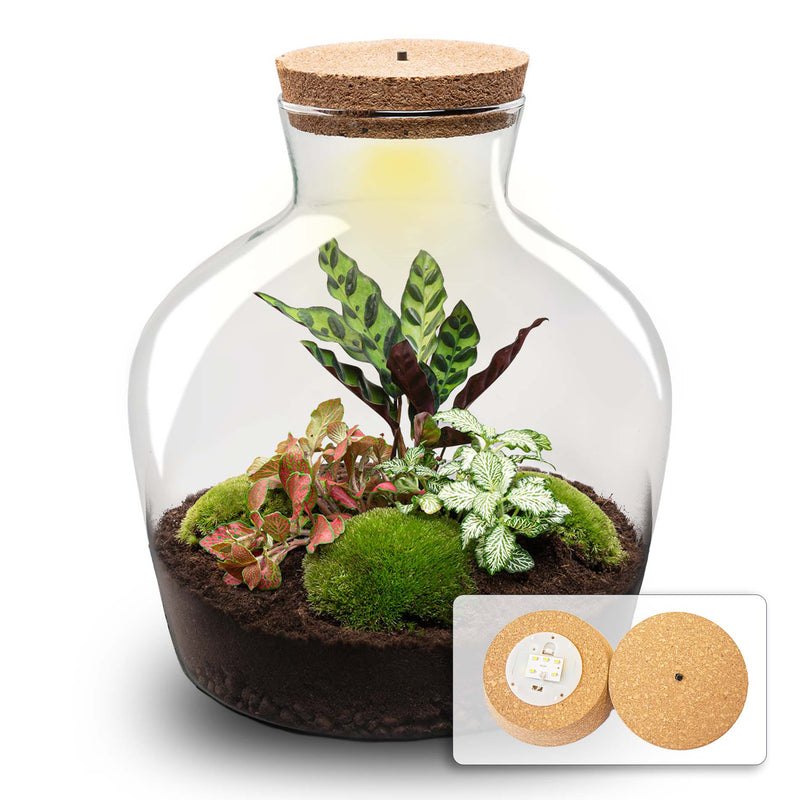
Easy to build in, but it needs a lid or a piece of glass to keep the humidity inside.
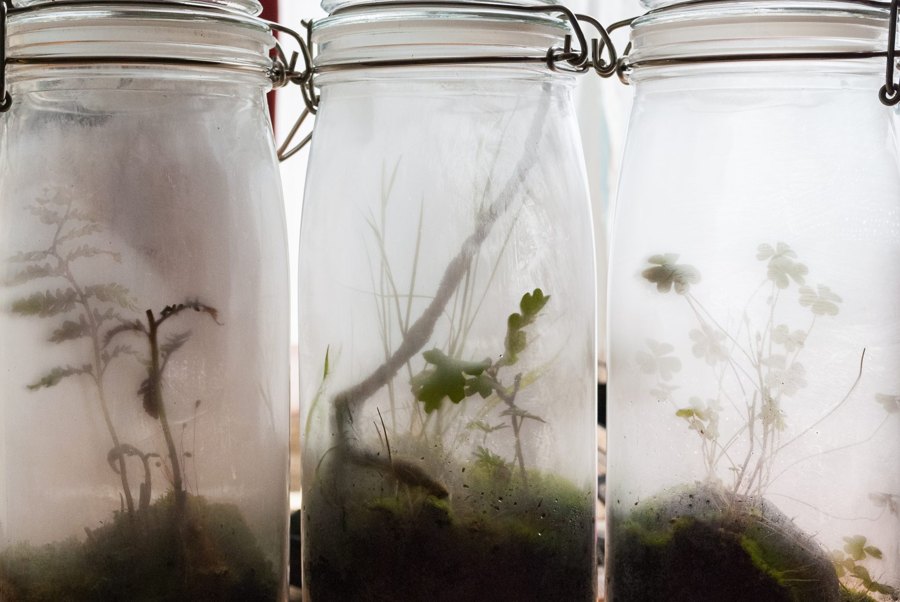
A large bottle or a glass jar with a lid is cheap and works well. A narrow neck looks nice, but is harder to build in.
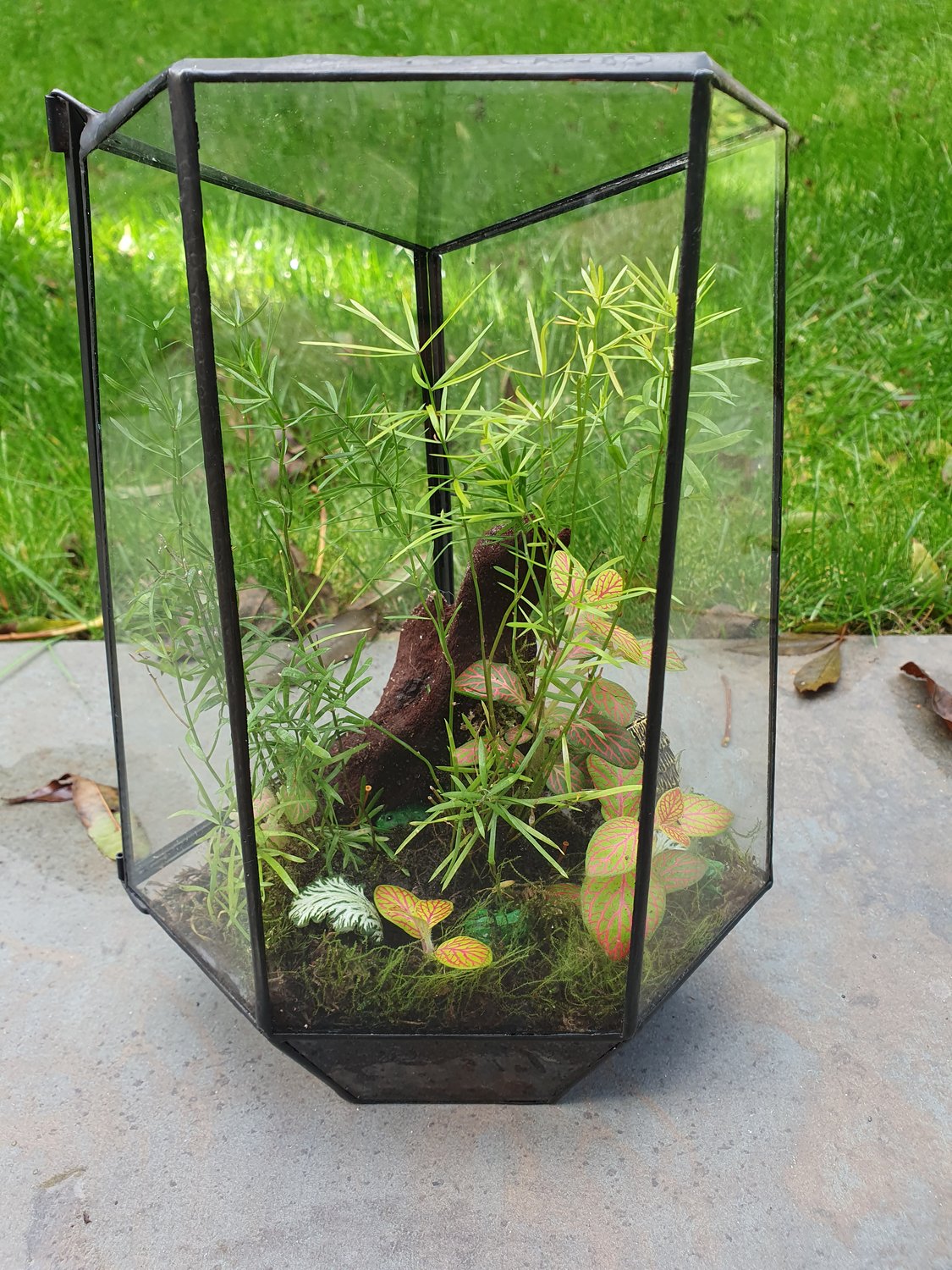 my glass house mossarium
Closed containers keep the humidity inside and need very little watering. For moss, a (mostly) closed container is the best choice.
Plants
These are plants you often see in a mossarium. They all like high humidity, indirect light, and they stay small. Keep the selection small, and leave some open space between the plants so they have room to grow.
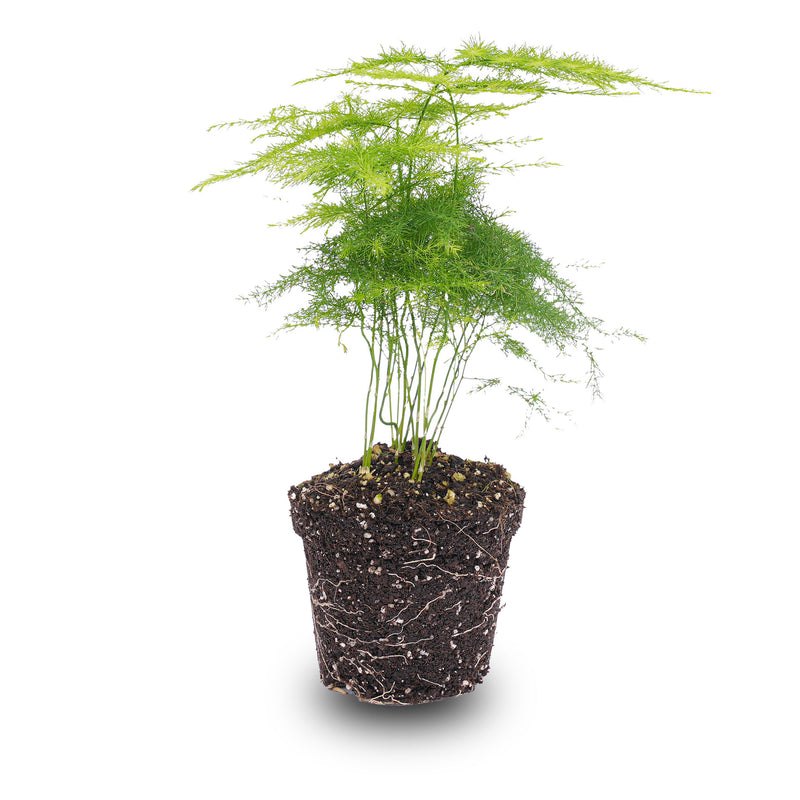
Soft, feathery leaves that look like a fine green cloud. Gives a light, airy look.
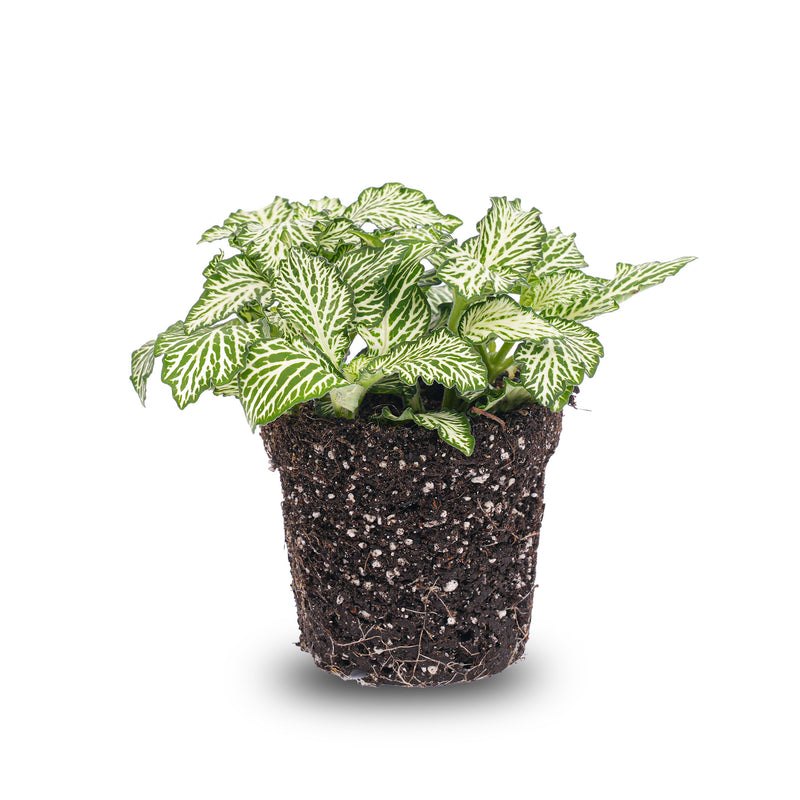
Light green leaves with a fine white web of veins.
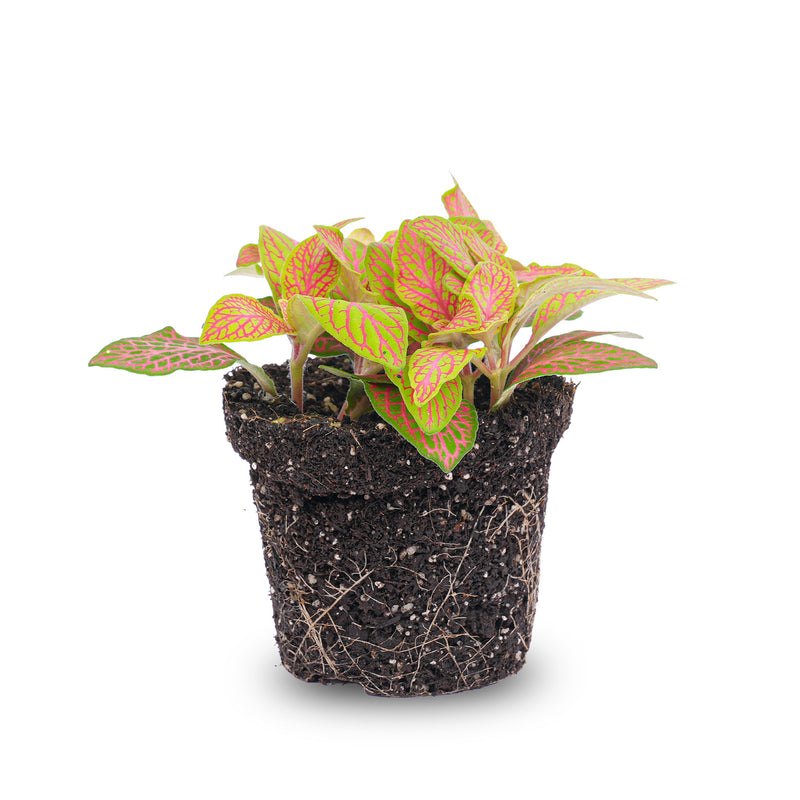
Orange-pink and green leaves, for a warm splash of color.
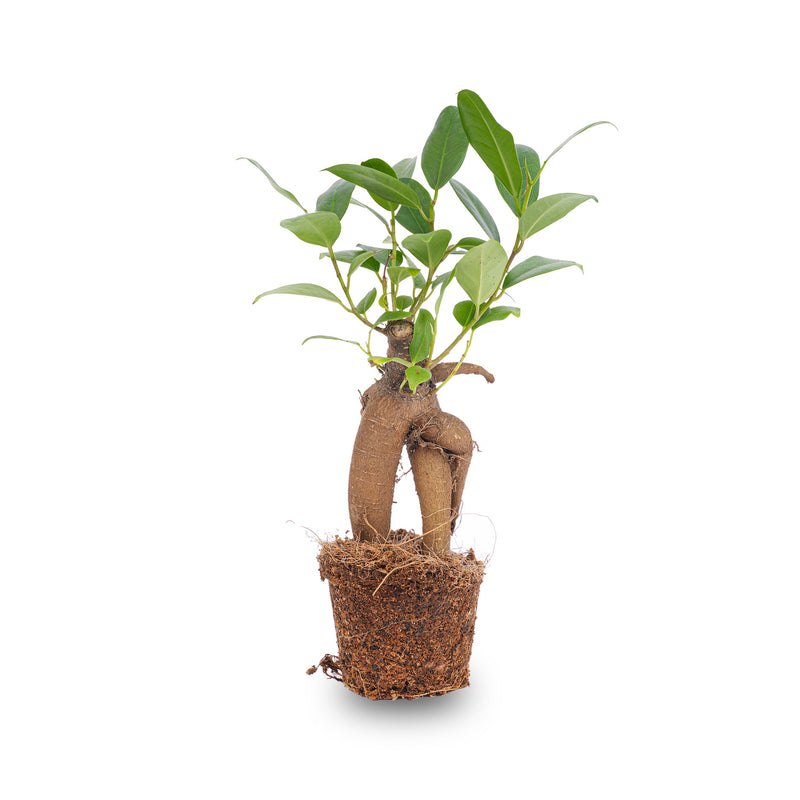
A small bonsai-like tree with a thick, curved root. It gives your mossarium height and a jungle feeling.
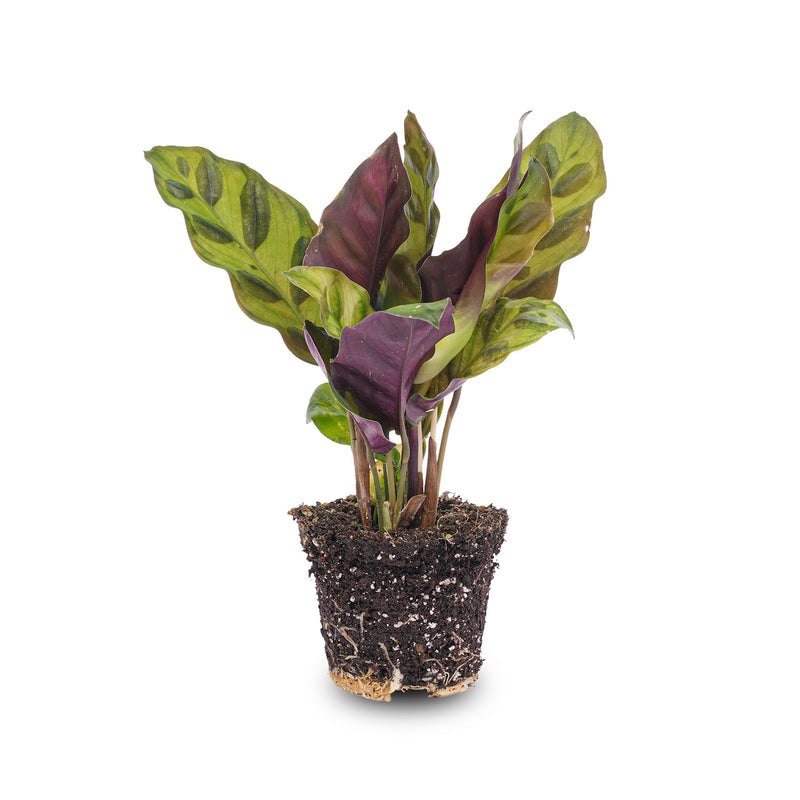
Long leaves with dark green markings and a purple underside. A real eye-catcher.
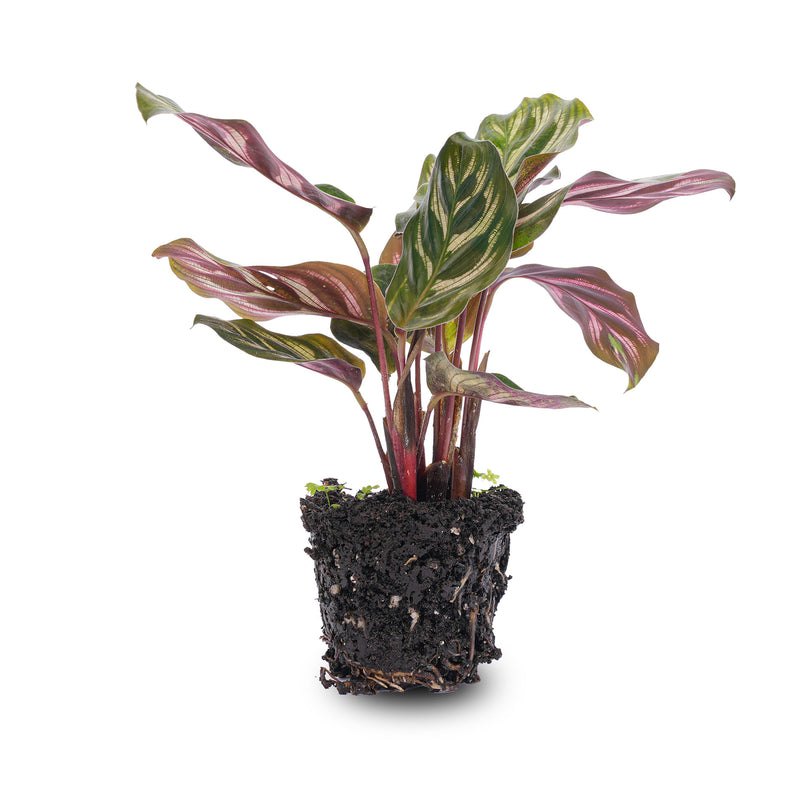
Round leaves with a beautiful feather-like pattern. Loves the humidity of a closed container.
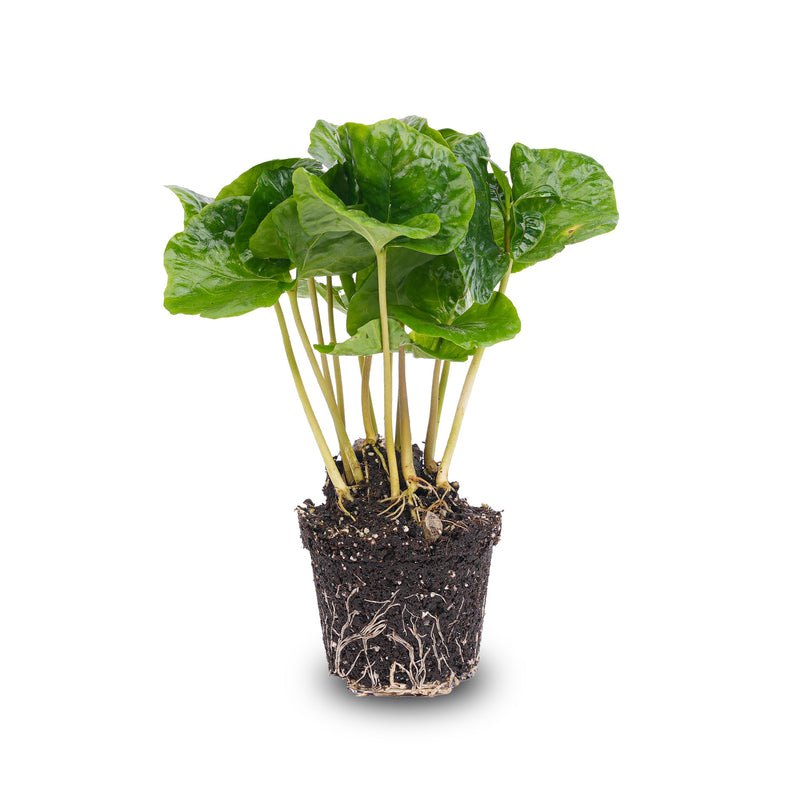
Glossy dark green leaves. Slow growing, so it stays small for a long time.
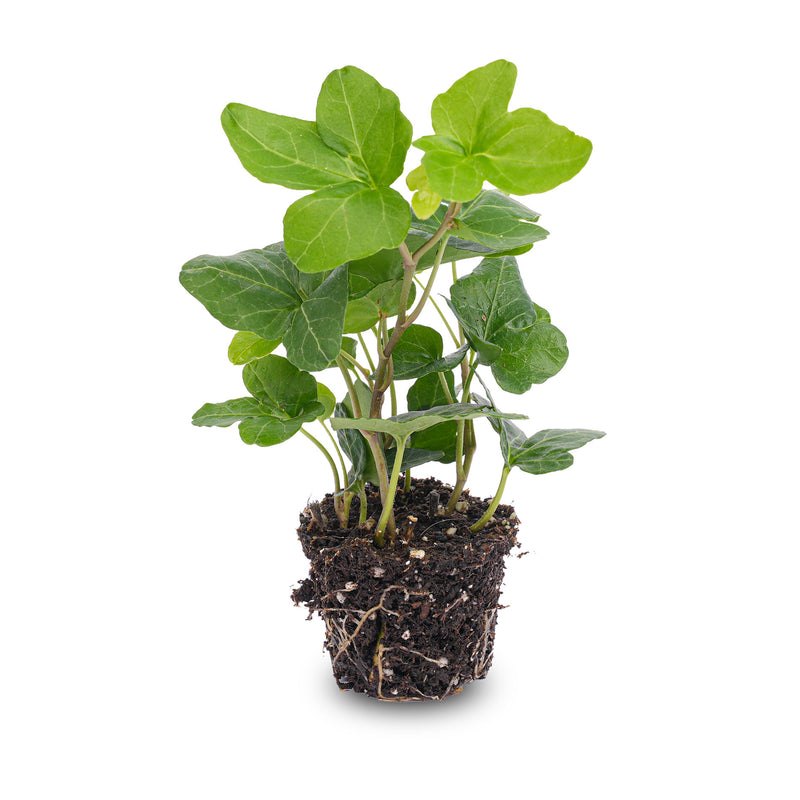
A climbing plant with small, lobed leaves that can grow along wood or stones. Trim it regularly.
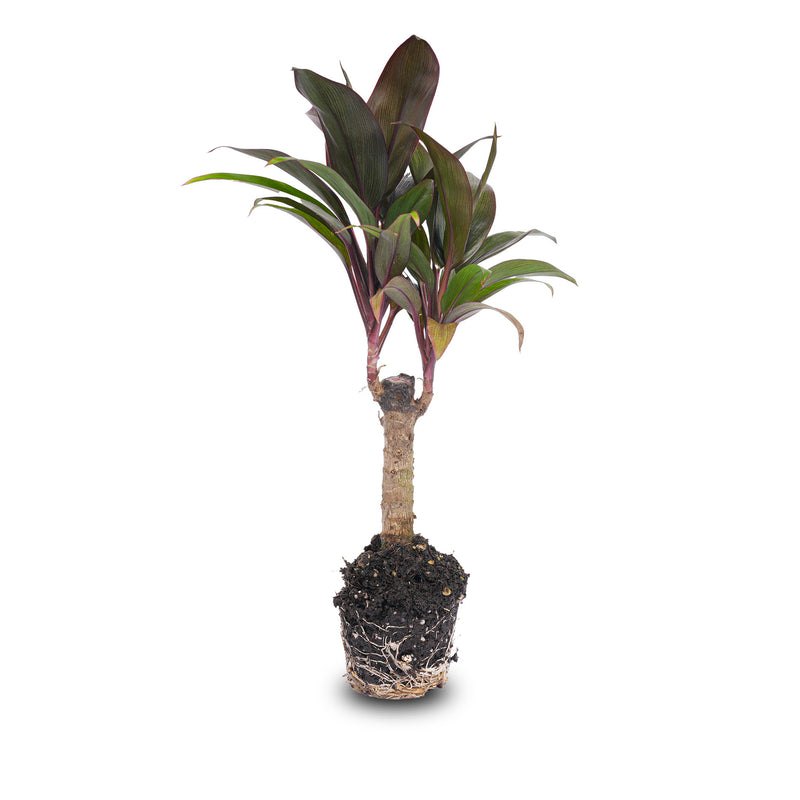
Compact plant with dark purple leaves, which gives a nice contrast with the green moss.
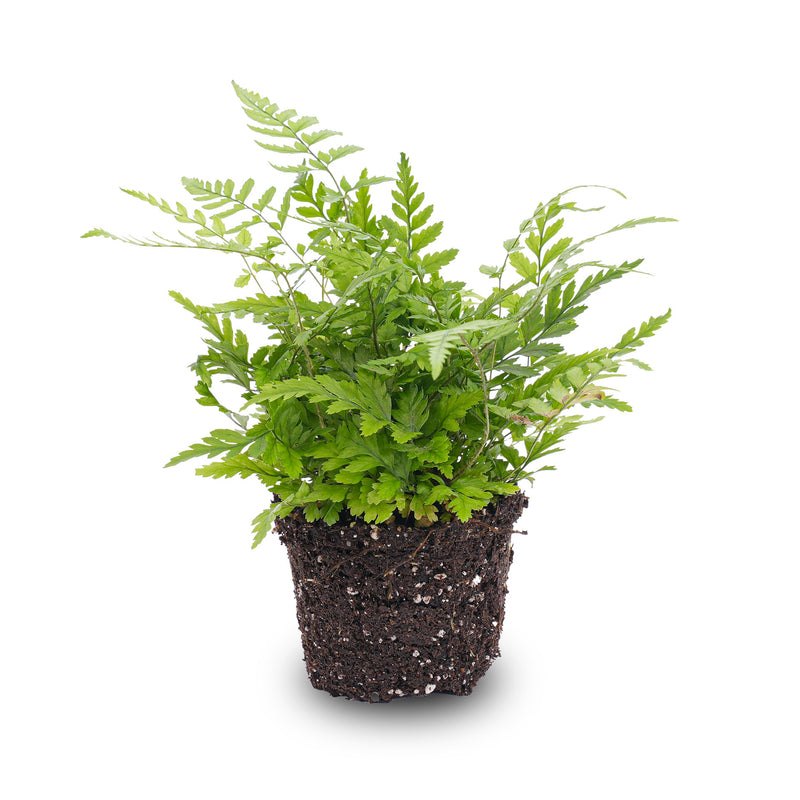
A small fern with fine fronds, for a natural forest floor look.
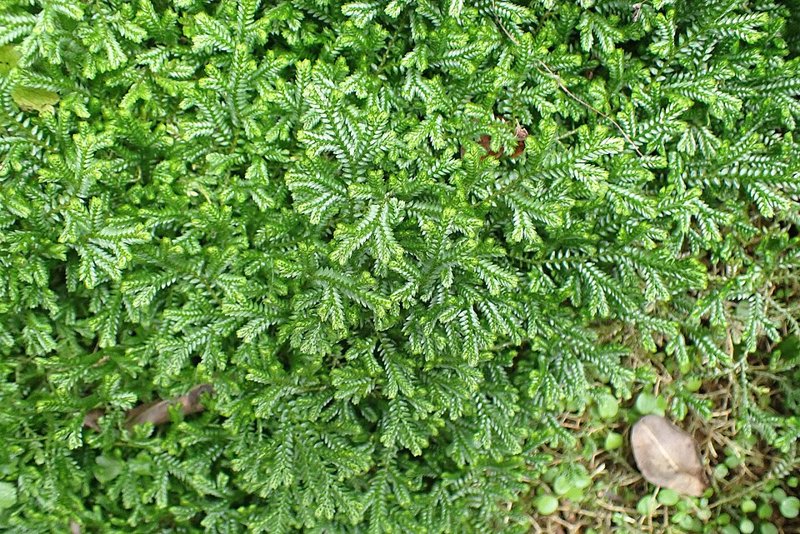
A soft, moss-like fern ally that forms a green carpet. A classic choice for a forest floor look.
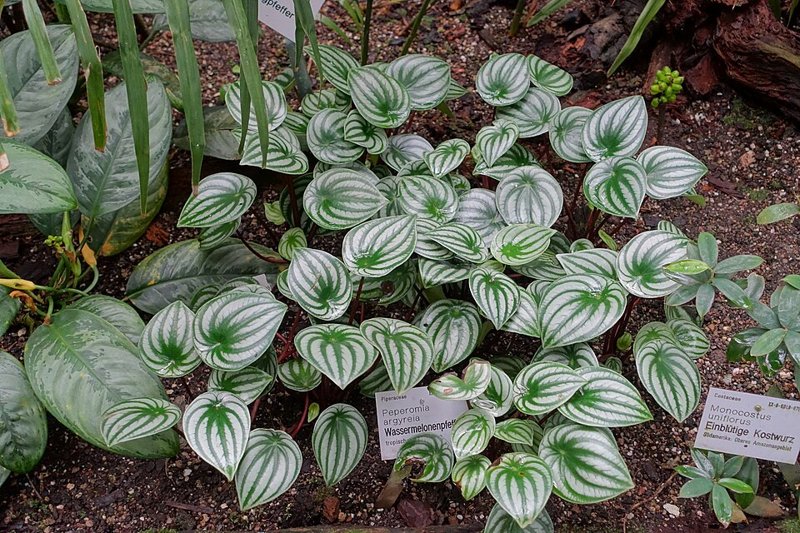
Small compact plant with round leaves and silver stripes, like a watermelon. It grows slowly, so it stays small for a long time.
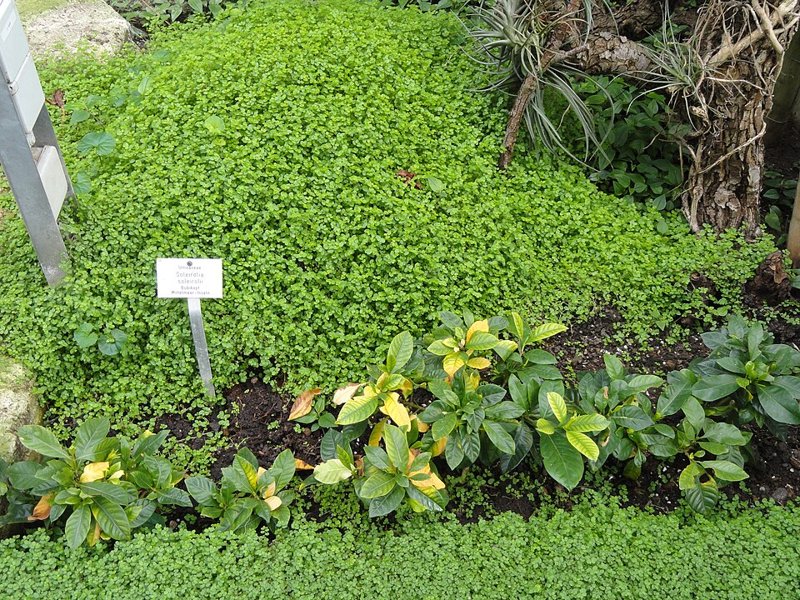
A tiny-leaved carpet plant that grows fast and fills open spots. Keep it in check with a trim.
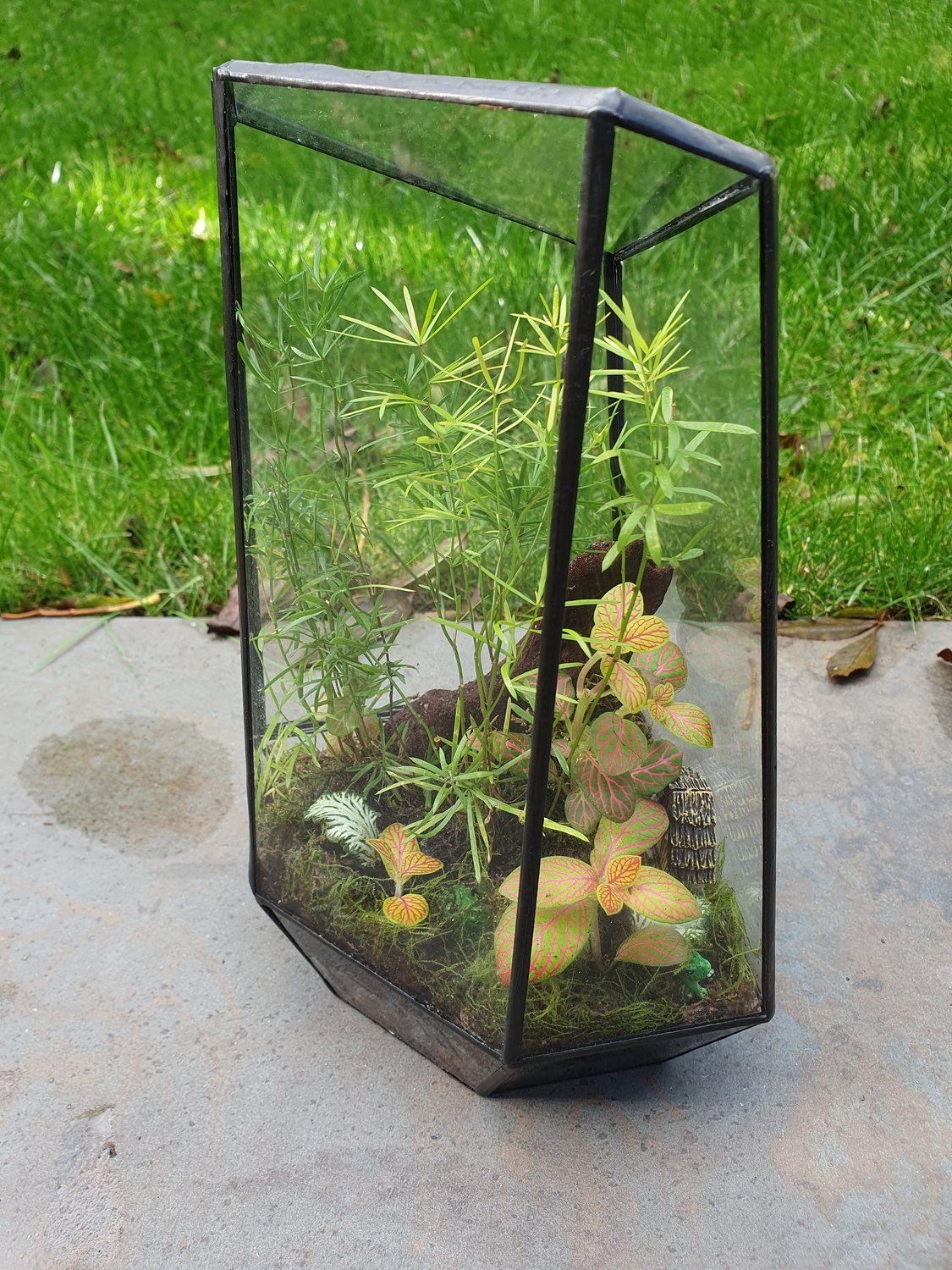 my glass house mossarium with moss, asparagus and fittonia
Moss types
Different moss types create different shapes and textures. Combining two or three types looks more natural than one flat layer.
You can also look in your own garden and neighborhood for different kinds of moss, for example on old walls, stones, tree trunks or between the paving stones. Take only a small piece, and only where it is allowed. Remove loose dirt, insects and slugs before you place it in your mossarium.
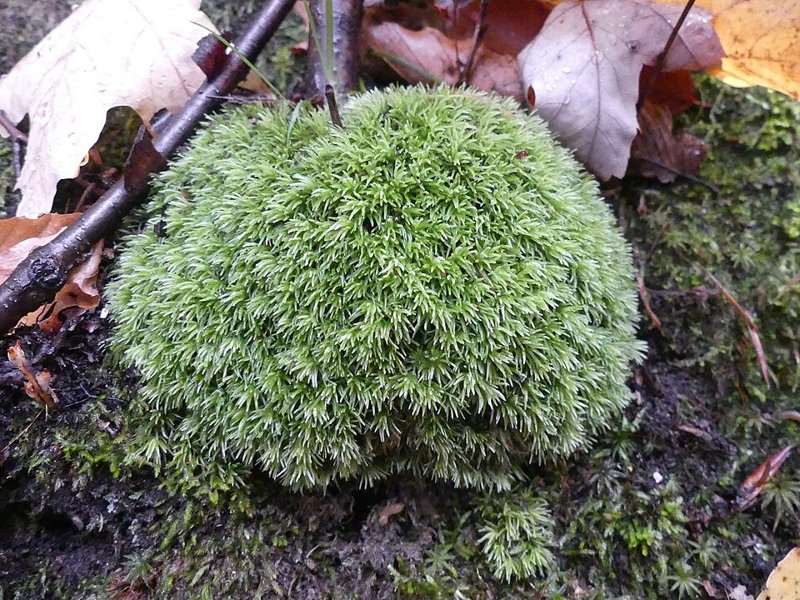
Forms round, pale green cushions. Great as a focal point, like small hills.
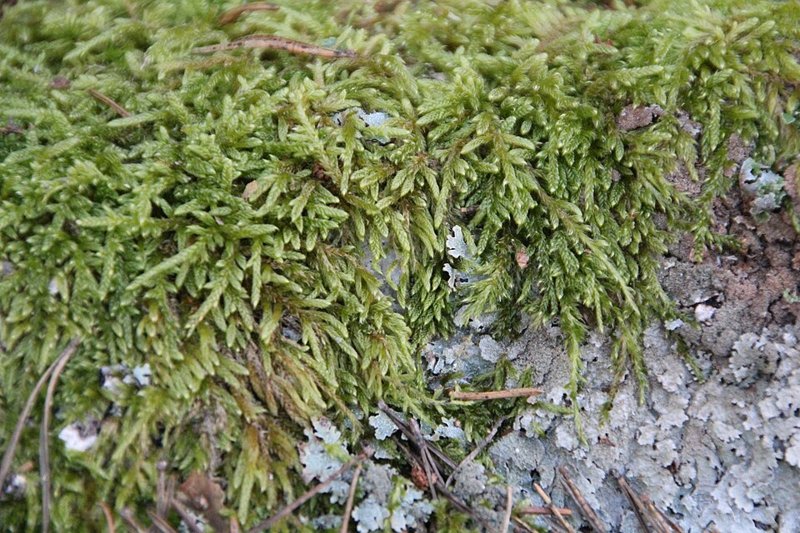
Flat and flexible mats, to cover larger areas and make a soft green floor.
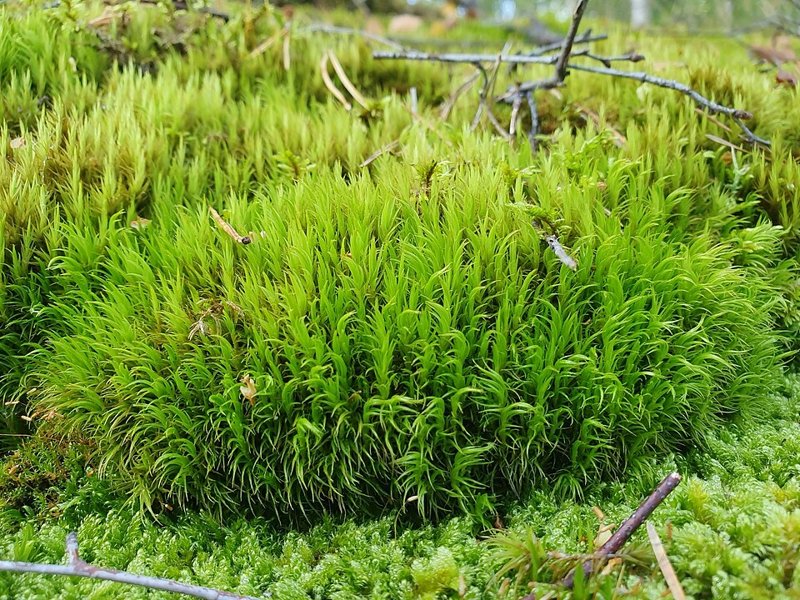
Irregular, tufted growth with a forest-like structure. Gives a natural, wild look.
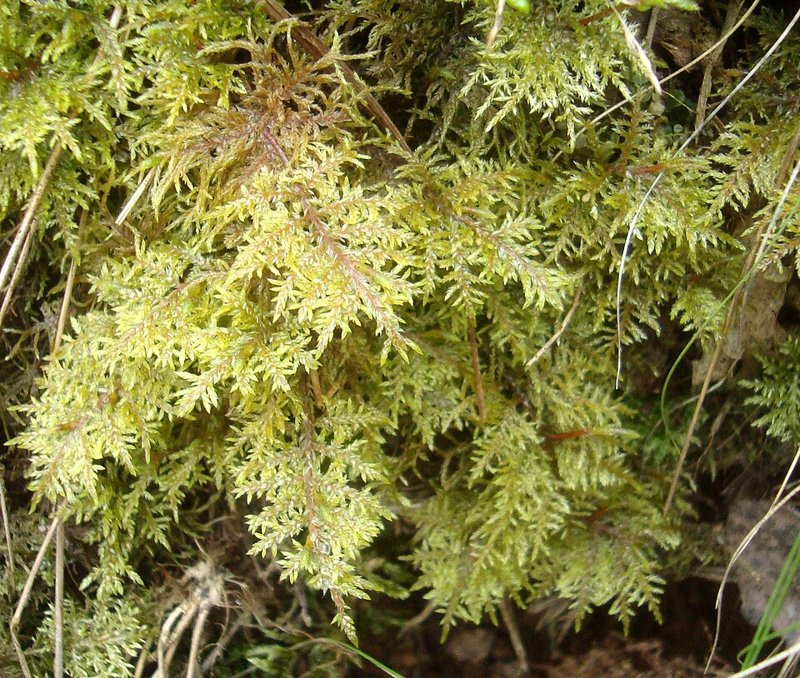
Fine, feathery branches in a layered pattern that look like tiny ferns. Nice around stones and wood.
Avoid placing moss against constantly wet glass. It should be humid, not soaked.
A DIY kit or a terrarium shop is the easiest way to get moss that is ready to use.
Maintenance
A mossarium needs little care, but there are a few things to watch.
Water
- Check the glass: a light mist for part of the day means the humidity is right.
- If the glass is wet all day and water runs down, open the lid for a while to let the moisture escape.
- If the moss looks dry or pale, add a little water with a spray bottle. Use clean water (distilled or rainwater is best) and stop before the soil gets muddy.
- It is easier to add a bit more water later than to remove too much from a closed container.
Cutting the plants
- Trim plants that grow against the glass or over the moss, with a small pair of scissors.
- Remove dead or brown leaves with tweezers, to avoid mold.
- Wipe the inside of the glass when the view gets poor.
- A little mold can appear in a new mossarium. Remove it, and ventilate the container for a few days.
Required tools
- Long tweezers (stainless steel) to place and remove plants and moss
- Small scissors to trim the plants
- A spray bottle for water
- A soft brush or cloth to clean the glass
- A small spoon to add soil
These are the tools I use:
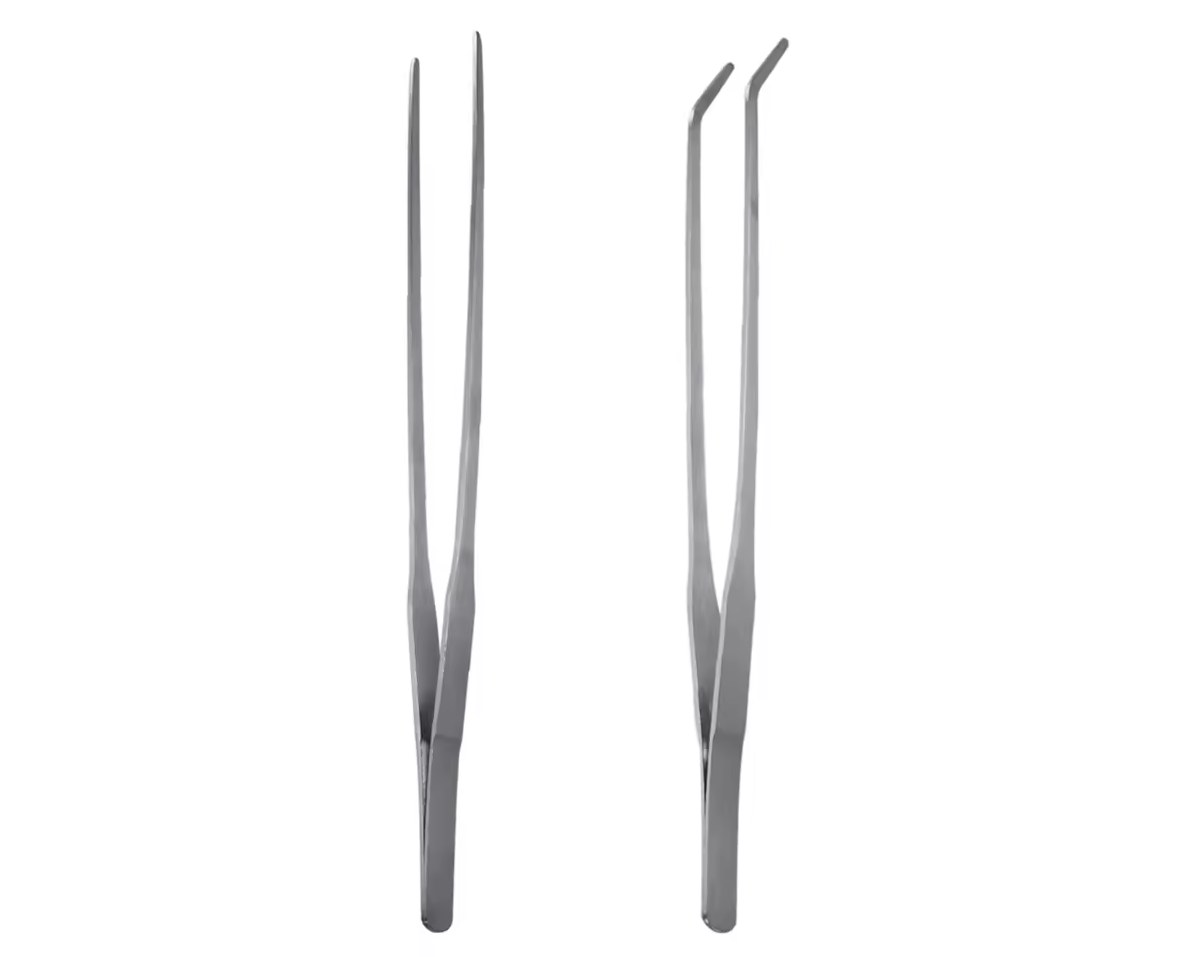
Long tweezers to place and remove plants and moss in a narrow container.
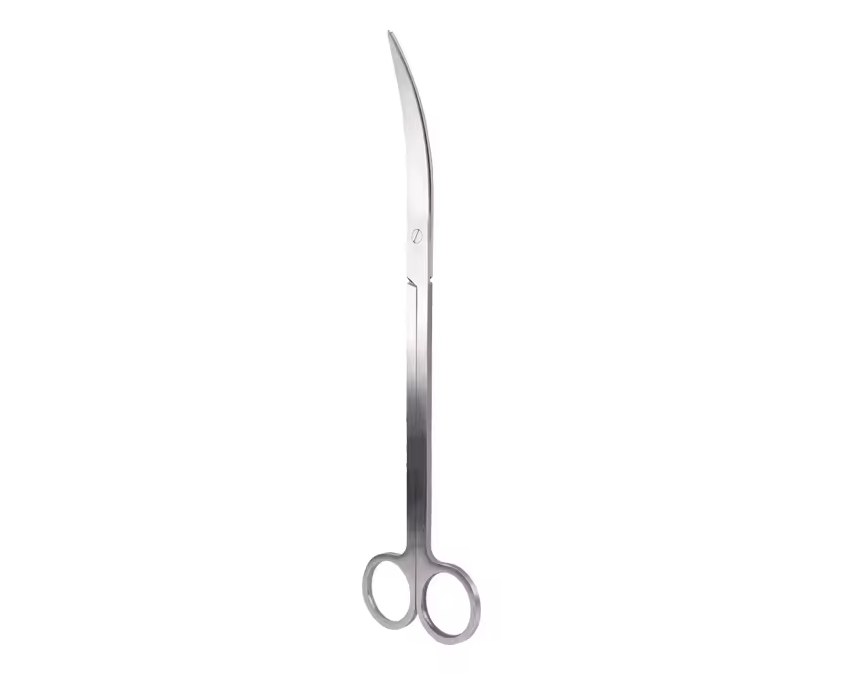
Long curved scissors to trim plants and moss in a narrow container, without touching the rest.
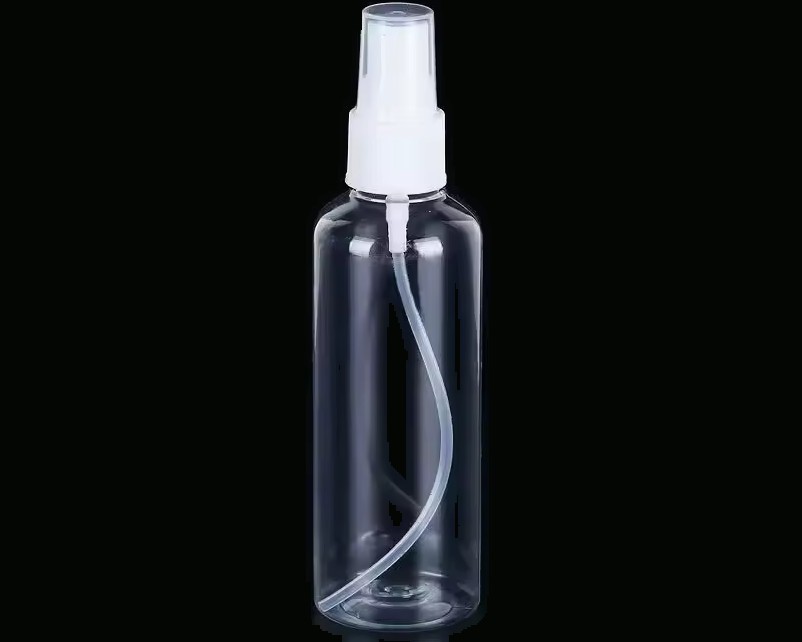
A small clear spray bottle to add a light mist of clean water to the moss.
Complete mossariums and terrariums are now also sold in a wide range at this Dutch webshop:
A wide range of ready-made and DIY mossariums, in all shapes and sizes, with their own stock in the Netherlands.
Related articles
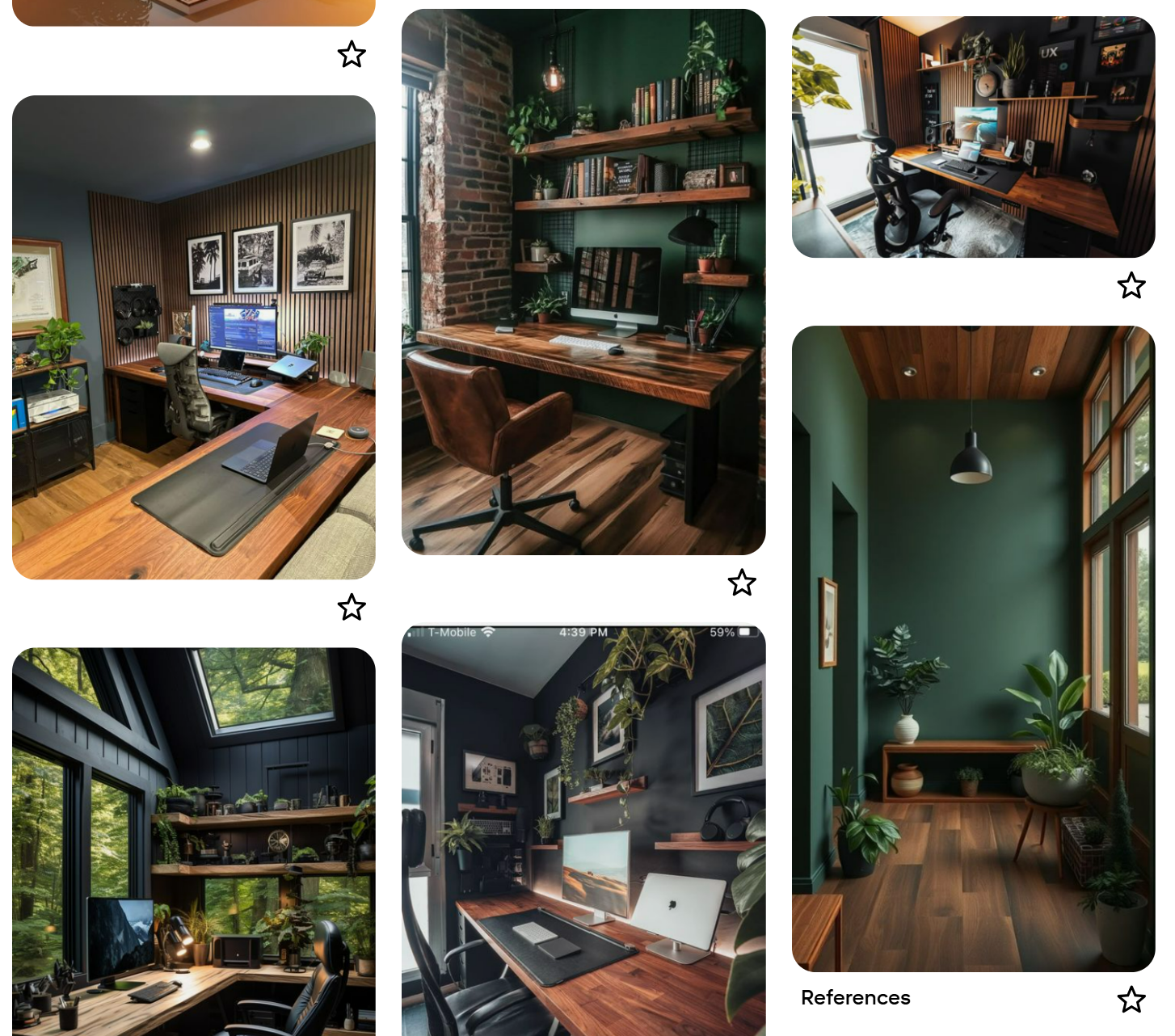
Where I found the inspiration for my mossarium.
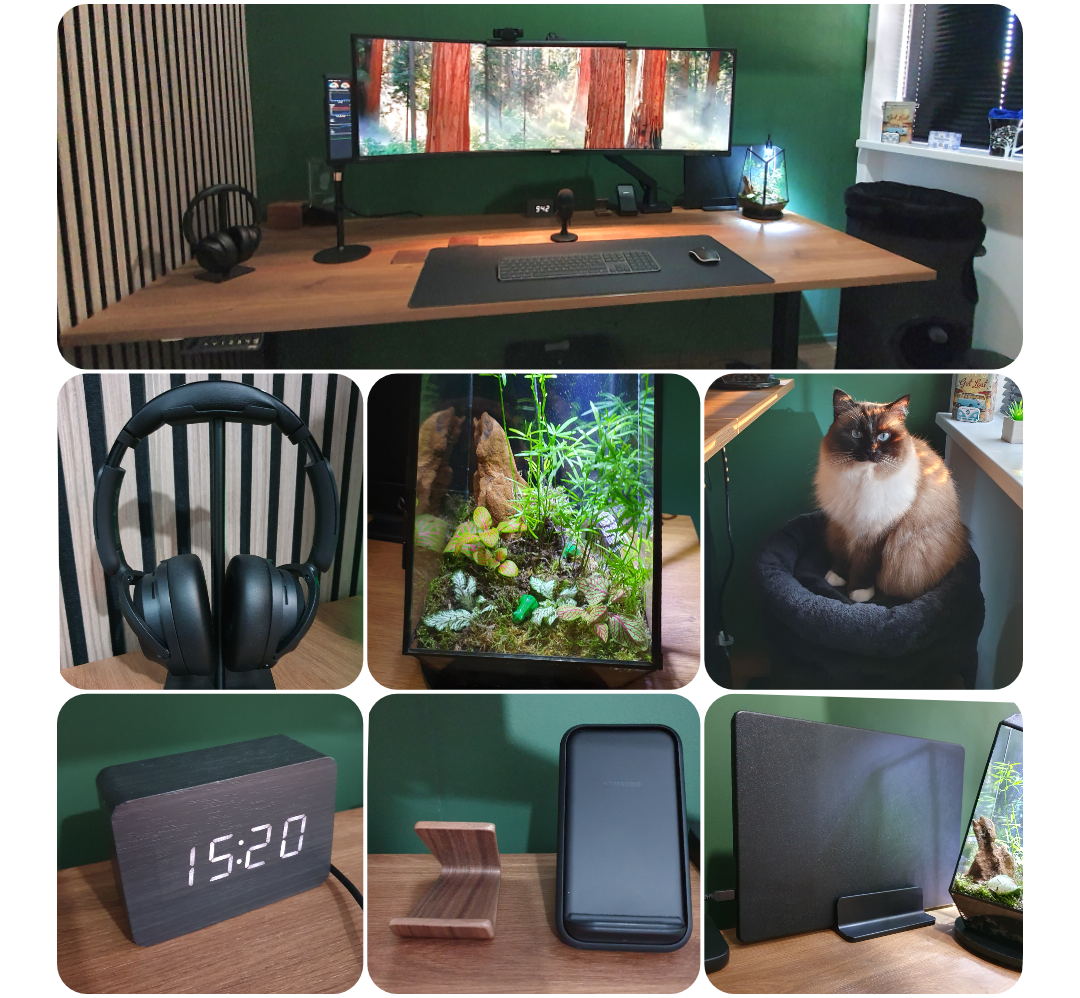
More accessories from my home office, with the products I use.
^^ Top | Homepage | Best Buy Tips | Automation Ideas | Blog posts | Sitemap